Today is Malbec World Day, which strikes me as a holiday that was manufactured by PR folks in order to generate publicity for (and consumption of) malbec. I normally scoff at such things, but what the hell… I’ll play along.
This is the third year of Malbec World Day and the youth of the “holiday” is one factor that makes it feel manufactured. The fact that I didn’t get the day off work also makes this holiday seem not so real.
But I do give the creators of Malbec World Day credit for connecting the date to history. It commemorates April 17, 1853, when Domingo Faustino Sarmiento submitted a proposal to the Provincial Legislature to broaden Argentina’s wine industry. This resulted in the first plantings of malbec in Argentina.
One thing I cannot figure out about this day is why it’s called “Malbec World Day” versus “World Malbec Day.” It seems like someone forgot to proofread the first press release and they just ran with it.
OK… on to celebrating Malbec World Day. And by that I mean drinking malbec.
The wine I chose for this occasion is not 100% malbec, hence I may be breaking the rules here. But it is super tasty and in my rule book that matters most. The Trivento Amado Sur is 78% malbec plus 12% bonarda and 10% syrah.

Everything about this wine is dense. The colors, the aromas and the flavors. This is an intense wine. The nose is filled with powerful black cherry, chocolate, blackberry and baking spice aromatics. The palate is also quite concentrated, with dense and jammy black cherry, boysenberry and chocolate flavors, laced with heavy spices. There’s nothing subtle about this wine. It’s big, bold and delicious. The only thing you might complain about is it being too aggressive. It’s very tasty, if you’re up for something this big.
Malbec World Day or not, this is a wine worth celebrating.
Wine: Trivento Amado Sur
Variety: Malbec
Vintage: 2011
Alcohol: 14%
Rating: 89
Price: $15.00
Find Trivento Amado Sur Malbec with Snooth
Disclosure: This wine was received as a media sample.
Boxed wines aren’t what they used to be… in a good way. The quality of the juice found in some “bag-in-a-box” wines is much better than it once was. And some boxed wines can be a great option for the wine lover on a budget.
When it comes to boxed wines there are a couple rules. Keep it cool and don’t let it sit around. Heat and age are enemies to boxed wines, which was proven in a study published by UC Davis last year.
This one from Bota Box is a red blend, with a hip, Gen X / Gen Y / Millennial name “RedVolution!” And I believe they forgot to put that exclamation point on the label, because it gives the name much more impact.
Let’s see, what’s in this wine… hmmmm, red wine. OK, that’s good enough for me. But if you want more details, this is a zinfandel-led blend (something that’s becoming more and more popular with US consumers). The blend includes zinfandel, merlot, cabernet sauvignon, syrah and petite sirah.

The nose is booming with big, jammy aromatics such as black cherry, plum and blackberry. There’s also a leathery aroma to it. It’s equally jammy on the palate, which offers concentrated plum and cherry flavors with a healthy dose of residual sugar. In other words, it’s a touch on the sweet side. It tastes good, although it’s a little clumsy and aggressive. The acidity is nice and there are light tannins. It finishes with lingering cherry flavors. The strong fruit flavors and residual sugar in this wine make it a good choice for barbecue or burgers. I enjoyed it with enchiladas drenched with a chocolaty molé sauce.
This isn’t a top shelf wine, but for those with a limited wine budget this definitely falls into the “it’ll do” category.
Wine: Bota Box RedVolution
Variety: Red blend
Vintage: 2011
Alcohol: 13.5%
Rating: 84
Price: $20.00 (3L, equivalent to four bottles)
Find Bota Box RedVolution with Snooth
Disclosure: This wine was received as a media sample.
Want another opinion? Check out these other reviews of RedVolution:
Semillon is a varietal that is best known as being grown in France. In fact, it’s one of three white varieties approved for use in Bordeaux. It’s also a common grape in Sauternes. And I think that until I tasted this wine I’ve only had French semillon. So I was intrigued to see what Argentina could do with this grape.
The aromatics are something that typically makes semillon special, with fragrant fruit, floral and spice aromas. The aromatics were pleasant with this Argentine semillon, but not exceptional and somewhat restrained.

It offers mostly citrus aromas, like lemon and lime, but also shows some pear, flint and cut grass. The palate has good acidity and a slightly creamy mouthfeel with flavors like lemon, apple and pear. The finish is moderately long, with tart apple and mineral flavors. All told, this is a nice wine. It’s not necessarily what I would typically look for from a semillon, but it’s tasty and offers a different perspective on this varietal.
Wine: Ricardo Santos Semillon
Variety: Semillon
Vintage: 2012
Alcohol: 14%
Rating: 86
Price: $19.00
Disclosure: This wine was received as a media sample.
Moscato, or muscat, seems to be all the rage these days. I’m seeing more and more of it show up in wine shops and wine lists. And I’ve heard from some producers that demand is so high they can’t produce enough of it. There may be a direct correlation in the reduced consumption of white zinfandel and the increased consumption of moscato (I’m just speculating here, I have no data to back up this crazy suggestion).
There is not just one muscat grape, but rather there is a family of muscats, including muscat blanc, moscatel, black muscat and orange muscat to name a few. Muscat is known for intense floral aromatics, which can be amazing.
It’s made into wine of a few styles, the most popular of which in the US these days is a sweeter sparkling muscat. And that’s what this one is from Ricossa Antica Casa. For anyone who doesn’t already know this, the Asti part of the name tells you that this is a sparkling wine from the Piedmont region in Italy.
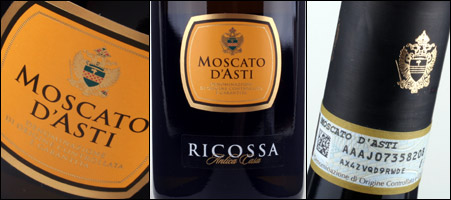
Orange blossom, citrus and honey aromas give this wine a lovely nose. In the mouth it’s creamy and slightly bubbly, offering the flavors of peaches and mandarin oranges, covered with honey. The floral aromatics give you a quick pop of excitement on the mid-palate and it finishes with lingering peach and honey flavors. While I’m personally not a big fan of this style of wine, I have to say that this one is well done.
Wine: Ricossa Antica Casa Moscato D’Asti
Variety: Muscat
Vintage: 2011
Alcohol: 5.5%
Rating: 88
Price: $14.99
Disclosure: This wine was received as a media sample.
This wine comes in a little bit over our typical $20 limit, but I was impressed with it so I thought I’d share for those who occasionally spring a little more for their wine.
This Robert Mondavi pinot noir comes from the Carneros region in California. This is a region that is just north of San Pablo Bay, which has a climate-cooling effect on the region. And cool climates is one key ingredient to tasty pinot noir. Although the Carneros AVA includes parts of both Napa and Sonoma, based on the label I assume that the grapes in this bottle all come from the Napa Valley part of Carneros.
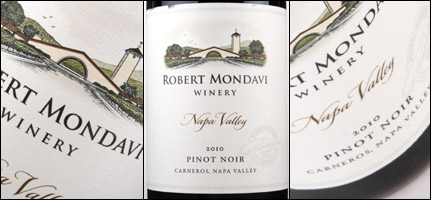
The nose is pretty interesting (in a good way), offering plenty of vanilla, black cherry, fig and cedar, but also some mushroom and a pencil eraser-like aroma. There’s good intensity to the aromatics too. On the palate I would call it a medium-bodied wine, but it’s on the higher end of medium. It offers flavors like blackberry and black cherry up front, evolving into some chocolate notes. The finish is rather long, showing chocolate, cola and black cherry flavors. Plus there’s a touch of smokiness deep into the finish. The acidity is sufficient and the tannins are moderate. Overall, this is a very good pinot noir.
Wine: Robert Mondavi – Napa Valley
Variety: Pinot Noir
Vintage: 2010
Alcohol: 14.5%
Rating: 90
Price: $27.00
Find Robert Mondavi – Napa Valley, Carneros Pinot Noir with Snooth
Disclosure: This wine was received as a media sample.
When I was first learning about wine and first discovered Chilean wines, I thought Chile was something new on the scene. I never would have guessed that some wineries there had been operating since the 1800’s. I suppose the “new on the scene” perception was due to a combination of my lack of knowledge about wine at the time, but also the reality that Chilean wineries have modernized and re-established themselves on the world stage in the past 15 years.
Certainly that reality rings true with Errázuriz. Viña Errázuriz was established in 1870, but was modernized by the current President of the winery, Eduardo Chadwick, who is the fifth generation of the Errázuriz family since the winery was established.
This cabernet sauvignon is from the Aconcagua Valley region in Chile, which is north of Santiago. The region is most well-known for red wines and cabernet sauvignon is the most planted grape in the region.

Black currants in a cedar chest is a pretty good description of the aromatics from this wine. Although you might also find aromas like leather, cherry and blackberry. The palate has a really nice texture and full, rich flavors, such as black cherry, plum and blackberry. The tannins are quite rich, but not overpowering. However, they do coat your mouth, helping the finish linger for about three days (ok, that’s a slight exaggeration). Overall, this is an outstanding cabernet!
I highly recommend this one.
Wine: Errazuriz Max Reserva
Variety: Cabernet Sauvignon
Vintage: 2010
Alcohol: 14%
Rating: 90
Price: $17.00
Find Errazuriz Max Reserva Cabernet Sauvignon with Snooth
Disclosure: This wine was received as a media sample.
Spring is just around the corner and that has me thinking of sauvignon blanc. I’ve said many times before that California generally isn’t at the top of my list of regions for sauvignon blanc. But that perspective is changing. I’ve had a few tasty Californian sauvignon blancs in the past year. And this is another one that’s making me reconsider my “general rule” about California and sauvignon blanc.
The Quivira vineyard is focused on Biodynamic and organic production methods and has been Demeter-certified Biodynamic since 2005. That was one year before the current proprietors, Pete and Terri Kight purchased the vineyard.
For years they’ve had a sauvignon blanc labeled as Fig Tree Vineyard Sauvignon Blanc as a part of their portfolio, but this Dry Creek Valley Sauvignon Blanc with the hummingbird on the label is a new wine for them. This wine is produced with a combination of grapes from the same vineyards as the Fig Tree SB, combined with grapes from neighboring vineyards.

The balance on the nose of this wine is perfect. It shows the tropical fruit aromas that sauvignon blanc is known for, but it’s not totally in your face. It’s a harmonious medley of pineapple, mango, grapefruit and fresh cut grass aromas. The palate is also quite nice, offering granny smith apple, lime and subtle peach flavors. The peach becomes more pronounced on the finish. I would like a touch more concentration in the flavors, but overall this is a very good wine.
It’s the perfect way to welcome in the spring. Now we just need the weather to match it.
Wine: Quivira Dry Creek Valley
Variety: Sauvignon Blanc
Vintage: 2011
Alcohol: 13.5%
Rating: 89
Price: $15.00
Find Quivira Dry Creek Valley Sauvignon Blanc with Snooth
Disclosure: This wine was received as a media sample.
Although this is another Chilean wine, it has roots in Piedmont Italy. The founder, Pedro Pavone Voglino, immigrated to the Maipo Valley region of Chile from Piedmont in 1917. For many years he grew grapes to sell to other wineries until he established Viña Santa Ema with his son. They started marketing bottles of Santa Ema wine in 1956 and the winery is still in the Pavone family today. Like many Chilean wineries, Santa Ema modernized its facilities about ten years ago, improving the quality and consistency in their production.
Their “Reserva” line of wines represents the most widely available and affordable wines from their portfolio, which makes them a great candidate for us to taste. And this one did not disappoint.
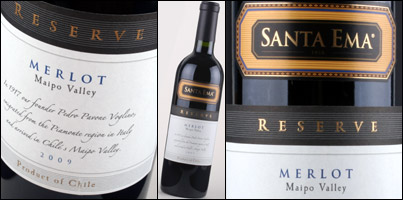
This wine has a full, beautiful nose brimming with plum, blackberry, vanilla and chocolate aromas. The palate is quite tasty too, offering blackberry, wild cherry and plum flavors with bright acidity. The finish brings a touch of coffee, dark fruit and tart cherry flavors.
Wine: Santa Ema Reserve
Variety: Merlot
Vintage: 2009
Alcohol: 13.5%
Rating: 86
Price: $12.00
Find Santa Ema Merlot with Snooth
Disclosure: This wine was received as a media sample.
I would guess that the Bronco Wine Company produces more of the bargain-priced wine brands you see on the shelves than any other producer. I could be wrong, but they have a LOT of different brands. And Grove Ridge is one of them.
The story behind a wine like this isn’t going to involve a special, single vineyard passed down for several generations. Nope. This is just some cheap, bulk-made wine. But that doesn’t mean you can’t enjoy it.
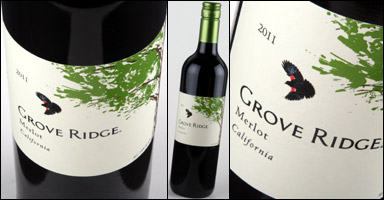
This wine is super plum-like on the nose. It also offers raspberry and strawberry aromas. The fruit dominates with this one. The palate is more of the same, very fruity. Offering tangy strawberry and plum flavors with a touch of sweetness. It’s not a sweet wine, but some residual sugar is definitely showing on the palate. It does have good acidity. The flavors are definitely on the “bright” side. The finish is relatively short, but pleasant. The palate is a little on the light side. It’s enjoyable, but if you prefer a more concentrated merlot, this isn’t for you. If you like a light, fruit-bomb then check this one out.
Wine: Grove Ridge
Variety: Merlot
Vintage: 2011
Alcohol: 13%
Rating: 84
Price: $9.99
Find Grove Ridge Merlot with Snooth
Disclosure: This wine was received as a media sample.
Yes, it’s another merlot review. This one comes from the Rapel Valley region in Chile and it’s made with organically grown grapes.
Emiliana is focused on biodynamic and organic agriculture in their vineyards, embracing a philosophy that these practices result in healthier vines—which in turn, they say, produces better wines. Farming organically doesn’t just mean the absence of chemicals, but it also means that biodiversity is practiced in their vineyards. This involves intermixing the vines with other crops, using biological corridors and other practices.
Like many producers, they have several different tiers or labels of wine. Some of those wines are biodynamic, some are organic and some are what they call “integrated management” wines—applying environmentally-friendly (although not organic) techniques. The Natura label is one within their organic portfolio.
One other thing that stands out about Emiliana for me is the fact that I love their website, aside from an annoying splash page they currently have about the Prowein show. I visit a lot of winery websites and I’ve come to expect them all to be horrible. But my hat is off to the team that created the website for Emiliana for making it easy to use, free of clutter and well-designed with beautiful imagery.
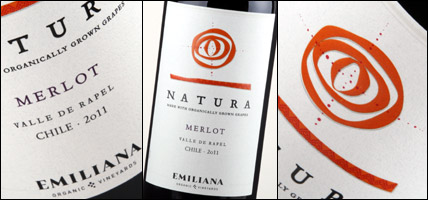
The nose of this wine is well balanced and pleasant, leaning a little toward the fruit side. It offers intense plum and blackberry aromas, but it also shows some beet and mint, giving it good complexity and character. The palate isn’t as “big” as I expected it to be, based on the intense aromatics. But it is good. There are plenty of plum, cherry and blackberry flavors. It’s a little bit tart. The acidity is good and there’s a touch of tannin, giving a nice mouth feel. It’s a good merlot and a bit unique in style.
Wine: Emiliana Natura Merlot
Variety: Merlot
Vintage: 2011
Alcohol: 13.5%
Rating: 85
Price: $9.00
Find Emiliana Natura Merlot with Snooth
Disclosure: This wine was received as a media sample.

 Prev
Prev