Yesterday I was raving about a Greek wine, but it happened to be one that had limited production and may be difficult for many readers to find. Here’s another red from the same producer that should be a little easier to find, although Greek wines in general don’t get a lot of shelf space in many US wine shops. Based on what I’ve been tasting, that’s a shame.
The Tsantali KANENAS red is a blend of 50% mavroudi and 50% syrah. I expect you’re familiar with syrah, but mavroudi may be a new grape to you. It’s a Greek variety, known for intense aromas and heavy tannins. As I’ve mentioned with other unique varieties in the past, here’s one for your Wine Century list.
The vineyards where the grapes for this wine reside are within the Ismarikos (or Ismaros) Protected Geographical Indication (PGI — Greece’s appellation system). This is in the Maroneia region in Thrace, which is in northeastern Greece, along the Aegean Sea.
That’s a lot to grasp if you’re new to Greek wines and geography, but that’s one of the fun things about wine for me. When I taste a new wine I love to look up the region where it’s produced on a map, look at pictures of the region and get a sense of place. Of course I’m a firm believer that you can never really understand a wine region without visiting it. And I think this would be a nice place to visit. I’ll add it to my list!
OK, my wine-geekiness is coming out now. I know that what you really care about is whether the wine is good or not.

This wine has a spicy nose, showing aromas like nutmeg, black pepper, plum and chocolate. The palate has bright acidity and moderately dense tannins, in other words it has good structure. In terms of flavors, it offers bright raspberry, cherry and plum, balanced with some earthy and spicy flavors. The fruit has good flavor and is plenty dry, so this isn’t a jammy wine at all. It finishes with a kick of spicy black pepper. This is a nice wine, with good complexity and character. And it makes me want to keep exploring Greek wines.
Wine: Tsantali Kanenas Red
Variety: 50% mavroudi and 50% syrah
Vintage: 2009
Alcohol: 13.5%
Rating: 88
Price: $25.00
Disclosure: This wine was received as a media sample.
Find Tsantali Kanenas Red with Snooth
This review is one that is frustrating me. To begin with, this wine is phenomenal! So what’s the problem? Availability. I received this bottle as a media sample and after looking for it in some local wine shops and online I’ve had no luck in finding a source for it. I’m sure it’s out there in some wine shops. I’ll need to keep an eye out for it and I wish you luck if you try to hunt this one down.
This is actually the first Greek wine we’ve had an opportunity to review. In six years, this is the first. But after tasting this one, I’m sure it won’t be the last.
This wine, produced by Tsantali, comes from the Agioritikos region on the slopes of Mt. Athos. It is a limited release, which explains why it’s a little hard to find. And it’s understandable that there’s not a lot of this wine. It’s made from limnio and cabernet sauvignon grapes grown in vineyards surrounding the St. Panteleimon cloister, and it’s hand-harvested by the monks of this cloister.
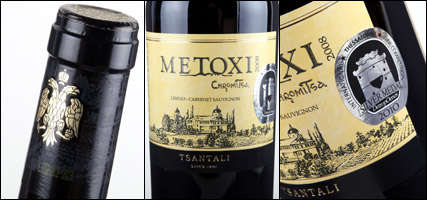
The nose on this wine is incredible, offering intense black licorice, black currant, cinnamon and chocolate aromatics. The palate is equally delightful, delivering delicious black currant, blueberry, black licorice and chocolate flavors. The acidity is perfect, the balance is solid and soft tannins add just enough texture to the mouthfeel. The finish is teeming with spice and chocolate. It’s seductive, harmonious, exotic, mesmerizing, exciting, daring, graceful, luxurious, voluptuous and sumptuous. All of that in one glass. This is a fantastic wine! You might say, it’s divine.
Wine: Tsantali Metoxi Chromitsa Red
Variety: Limnio & cabernet sauvignon
Vintage: 2008
Alcohol: 13.5%
Rating: 91
Price: $17.00
Disclosure: This wine was received as a media sample.
How have you been fairing with all the heat we’ve had lately? It’s been miserable out there and you might say it’s not been good wine drinking weather. Well, that depends on what wine you’re talking about.
Some wines just don’t hit the spot on a hot summer day. But others are just right. I tend to go for really light white wines on a hot day, and one of my favorite summertime wines is Vinho Verde. They are typically crisp, lightly-fruity wines with a touch of bubbles and low alcohol levels — this one is only 9%.
Vinho Verde translates literally to “green wine” but actually means “young wine.” These wines are meant to be consumed in their youth, not aged. They come from the Vinho Verde DOC in northwest Portugal.
If you taste this wine and are working on your Wine Century Club application, you may be in luck with a few new varieties to add to your list. This wine is made from Loureiro, Trajadura and Pedernã (also called Arinto).
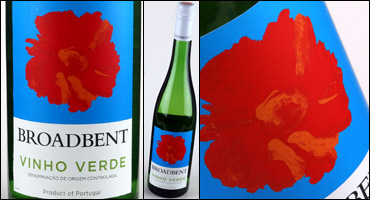
Soft aromas of apple, melon, mineral and yeasty bread give this wine refreshing and calming characteristics. The palate has a touch of frizzante and sufficient acidity to give it a nice mouthfeel. The flavors are subtle, or delicate may be a better word. It offers green apple, white peach and melon up front with a salty mineral on the finish. This is a refreshing and delicious Vinho Verde.
After tasting this wine I shared with some friends at a party and it was a hit! One friend commented said, “it’s almost like a Champagne.” I’d say that’s a little bit of a stretch, but I get what he was saying. It’s not as bubbly, yeasty or crisp as I’d expect from a Champagne. But it’s still awfully good.
Wine: Broadbent Vinho Verde
Variety: Vinho Verde
Vintage: non-vintage
Alcohol: 9%
Rating: 88
Price: $9.00
Disclosure: This wine was received as a media sample.
Find Broadbent Vinho Verde with Snooth
About a month ago, I was standing in the security line at the Seattle-Tacoma airport. I handed the TSA agent my ID and my ticket to Kelowna, British Columbia. He looked at it and chuckled, then said “while you’re up there, you should really try some of the wine. It’s fantastic! I go skiing up there and always have to have some wine.”
I smiled back and said, “Yes, I’ll be sure to try the wine.” And that was my first clue that the story from this trip would be about wine tourism as much as about the wine.
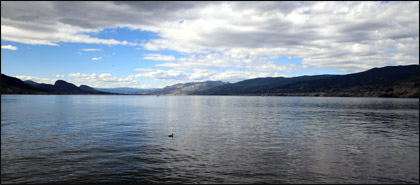
My wife and I were headed to the North American Wine Bloggers Conference, which was held in Penticton, BC this year. The day before the conference we spent visiting wineries in Kelowna, about an hour north of Penticton and on the same lake — Okanagan Lake.
In full disclosure, our visit to Kelowna was sponsored by Tourism Kelowna and while the trip was not free, our local travel, hotels and meals were subsidized by the sponsor.
I didn’t know what to expect, having never tasted any wines from the region. And I had mixed feelings about the trip. On one hand, I was excited to discover new wines and to visit British Columbia — which I had heard is a beautiful region, but I had never been there. On the other hand, I’ve never tasted Canadian wines for a reason — I can’t find them in any wine shops where I live. This raised questions of relevancy to me. Most of my readers are in the US. Do they care about Canadian wines if they can’t easily purchase them?
Obviously, the pros outweighed the cons and we went. While we were there, the question about availability of the wines in the US came up repeatedly. Those we spoke to acknowledged that the vast majority of the wine they produce is sold in Canada, but with production increasing they are going to reach a tipping point when they need to enter other markets. Their reason for hosting the conference was to introduce the rest of the world to their wines as they approach the time when exports become more prevalent.
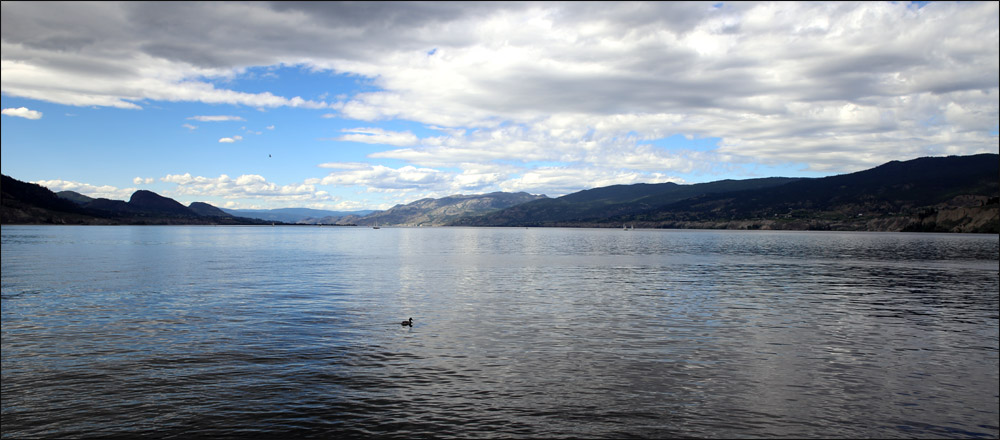
While you may not be able to find BC wines in your local shop, I can say that the story about Kelowna and other regions along Okanagan lake is highly relevant if you’re interested in wine travel. My biggest takeaways from this trip were: 1) This may be the most beautiful place on earth. Seriously. I was in awe with the views of the lake and the mountains surrounding it. The weather was perfect, and apparently is pretty nice most of the time. And the people were incredibly friendly. 2) The wines are exceptional. I had my doubts before traveling there, only because I hadn’t had them before and had never heard anyone rave about British Columbian wine, but I walked away impressed. Very impressed.
Here are three wineries worth visiting when you’re in this region… and you definitely want to be in this region. These are in the order I visited them, not in the order of priority.
1) Summerhill Pyramid Winery
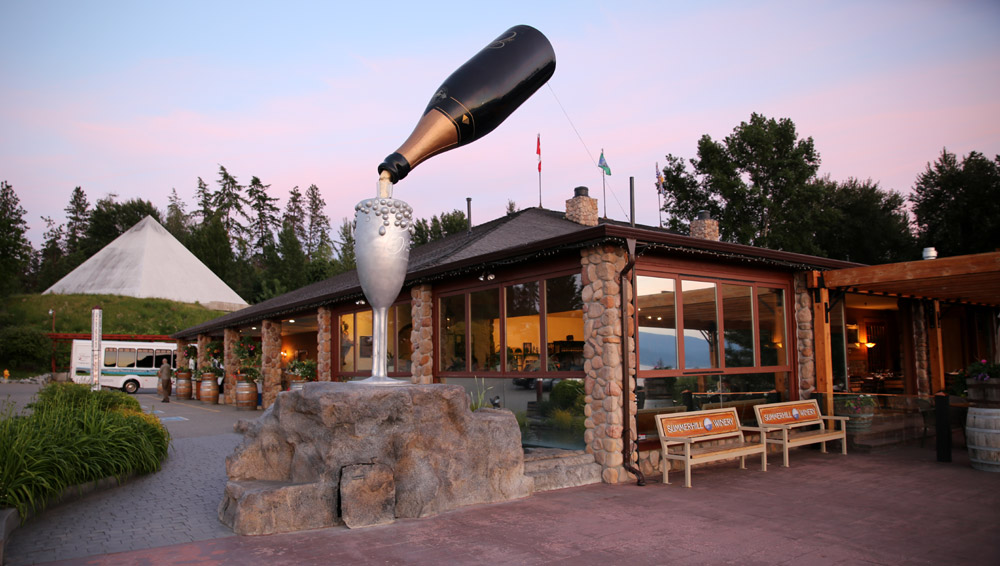
The first winery we visited in Kelowna was Summerhill Pyramid Winery, which boasts the title of being the most-visited winery in British Columbia. It may be best-known for the large pyramid built on the property, said to be “second only to the Great Pyramid of Egypt for alignment and precision.”
Their story revolves around organic and Biodynamic winemaking. Minimal-involvement style winemaking and permaculture are a couple themes they bring up regularly when presenting their wines. Summerhill has been practicing organic winemaking since their inception in 1986 and just received Demeter Biodynamic certification in 2012.
Biodynamics is an approach to farming that incorporates biodiversity, crop rotation, sustainability and other holistic practices. It also involves timing farming practices based on lunar cycles, burying cow horns filled with crystals and other practices that appear odd to many non-practitioners. Gabe Cipes, who leads the Biodynamic program at Summerhill, spent some time explaining to us that Biodynamics is science, not witchcraft. And then they took us into their magical pyramid.

All the wine produced at Summerhill spends some time aging in the pyramid. It supposedly imbues the wine with positive energy, or something like that. The pyramid is made of concrete and has copper bands on the inside, meant to amplify the energy of the pyramid. At the pyramid’s peak, special crystals from Brazil are suspended. I expected to see a laser shooting down from the crystals, but no such luck.
Perhaps I’m just disconnected from the vibrations of nature and the powers of the universe, but I didn’t feel any special energy in the pyramid. And I found it to be rather gimmicky — an unfortunate distraction from their otherwise impressive story. I appreciate their dedication to organic and Biodynamic production, but the over-marketed nature of it left a bad taste in my mouth.
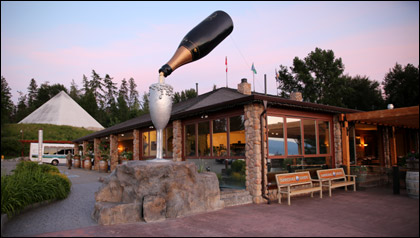
Speaking of bad taste, the other thing that stood out to me was the giant sparkling wine bottle fountain outside the winery. It didn’t seem to fit in with their holistic/natural winemaking story and it gave a tourist-trap feeling to the winery. However, beyond this fountain the view is spectacular.
In addition to the tasting room and winery, there is a restaurant on site that also focuses on organics.
The wines we tasted here were mostly good. Here are my brief tasting notes:
2010 Summerhill Pyramid Winery Cipes Sparkling Rosé
Made with 100% organic pinot noir. The nose shows a touch of yeast and orange peel aromas. The palate is very crisp with good acidity and offers lemon, light cranberry and mineral flavors. The mineral really comes out on the finish with a somewhat chalky nature to it. Overall, this is a very good wine.
Summerhill Pyramid Winery Cipes Brut (non-vintage)
A combination of chardonnay and riesling, this sparkler shows light yeast and lemon aromatics. The mouthfeel is creamy, bringing intense lemon, apple, mineral and yeast flavors. This one is fantastic!
2010 Summerhill Pyramid Winery Syrah Rosé
This still rosé has a really intense nose with apple peel, black pepper, smoke and strawberry aromatics. It smells interesting, but it falls apart on the palate, where I found disjointed cherry and strawberry flavors lacking in acidity. It was a bit brooding and not one I would recommend.
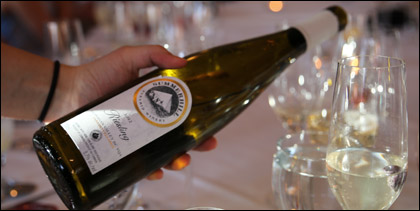
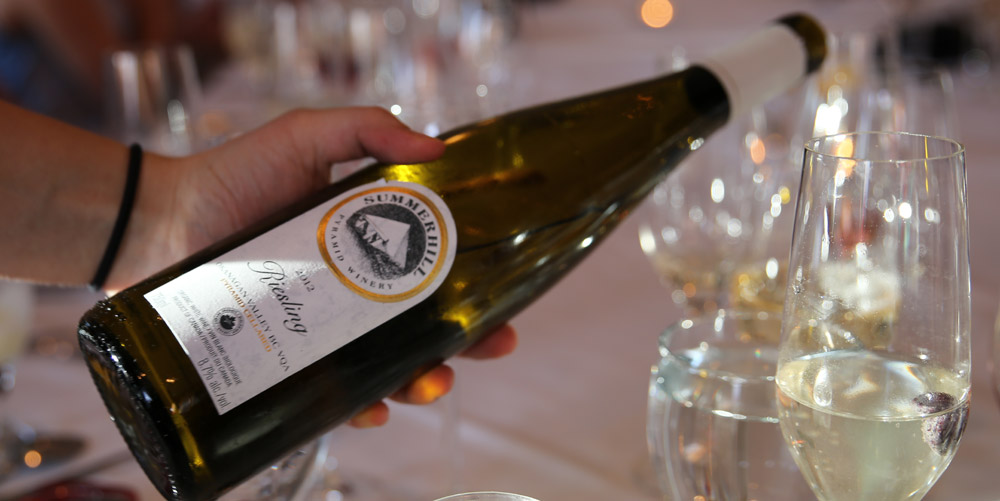
2012 Summerhill Pyramid Winery Riesling
Intense floral aromatics, plus pear, cool flint and apple give this wine a really nice nose. Tart apple, pear and citrus flavors with crisp acidity make the palate good too. It finishes rather long with citrus and mineral notes. It’s an excellent riesling.
2009 Summerhill Pyramid Winery Cabernet Franc
The nose offers chocolate, black cherry, plum and herb aromas. The palate is much the same with plum, chocolate, black cherry and black pepper. It has good acidity, good concentration and a good mouthfeel. Overall, it’s very good.
2) Tantalus Vineyards
Our second visit was to Tantalus Vineyards, where it became abundantly clear to me that the British Columbia is producing some phenomenal wines.
The ambiance in the Tantalus tasting room was elegant and modern, and felt a bit more refined and less-touristy than what we experienced at Summerhill.
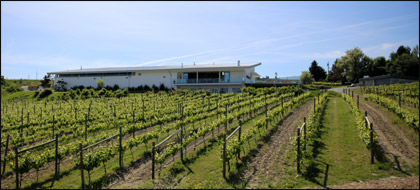
While Tantalus isn’t practicing Biodynamics, they do take a pragmatic approach to sustainability and biodiversity. Bees from Arlo’s Honey Farm are kept onsite to promote biodiversity. They are also the first winery in British Columbia to be LEED certified.
Winemaker, David Patterson, brings that mostly-natural-but-pragmatic approach into his winemaking too. He employs whole grape pressing to preserve the characteristics of the wine and uses wild yeasts as much as possible. But he monitors the yeasts during fermentation to ensure the appropriateness of the active strains and will inoculate with commercial yeast if needed, which he says is rarely needed.
Tantalus primary focuses on pinot noir, riesling and chardonnay — varieties that do particularly well in this region. In my opinion this focus is wise versus trying to produce dozens of different varieties.
Their riesling is particularly impressive. The vine clones come from Alsace and Mosel, two other regions with some exceptional riesling. Tantalus General Manager, Jane Hatch, shared that they’ve found one riesling block in their vineyard to show strong lemonade characteristics, while another block in close walking distance shows more grapefruit-like qualities from the same clone. They use the grapes from different parts of their vineyard to craft wines that stand out.
All of their wines are also single-vineyard wines, which we were told is rare in the Okanagan Valley.
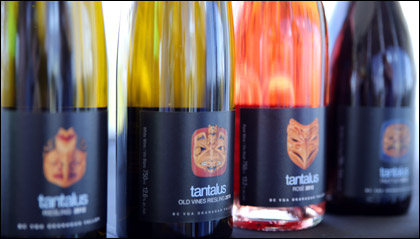
Here are my tasting notes from Tantalus:
2010 Tantalus Old Vines Riesling Brut
The nose of this bubbly is filled with yeast, herb and apple aromatics. The flavors fall into the tart green apple and light peach categories. This is a pretty darn good sparkler.
2012 Tantalus Riesling
This is the younger riesling from their vineyard. It shows intense aromas, such as banana (somewhat like circus peanut candies), grapefruit and lemon. The flavors are mostly tart citrus, like grapefruit and lemon, but there’s also some mineral. Overall, it’s good.
2010 Tantalus Old Vines Riesling
The aromatics on this riesling are intense and fantastic, offering floral, petrol, white pepper and lemon. The palate has great depth and structure. It’s sultry, smooth and the acidity is outstanding. The tension between the sweetness and the acidity is phenomenal and delightful. Grapefruit and flinty mineral dominate the flavors. This is an outstanding riesling! I would go so far as to say it’s one of the best I’ve ever tasted. It should age well too. If you have an opportunity to taste only one wine from Kelowna, make it this wine.
2012 Tantalus Rosé
This wine is mostly pinot meunier with some pinot noir. The aromas are interesting, at first making me think of a watermelon-flavored Jolly Rancher. It also shows some strawberry, lime and floral aromatics. There’s a ton going on in this wine, complex is an understatement. The palate is an adventure, offering black pepper, cranberry, wild strawberry, chalky mineral and lime flavors. It’s a fun wine, but still elegant and harmonious. It’s very good.
2010 Tantalus Pinot Noir
David Patterson told us that pinot noir is the only red variety they can get truly ripe in their vineyard. The nose of this wine is sexy and spicy, with raspberry, black pepper and floral aromatics. The mouthfeel is smooth with raspberry flavors backed up by mineral notes. Once again, this is a very good wine.
3) CedarCreek Estate Winery
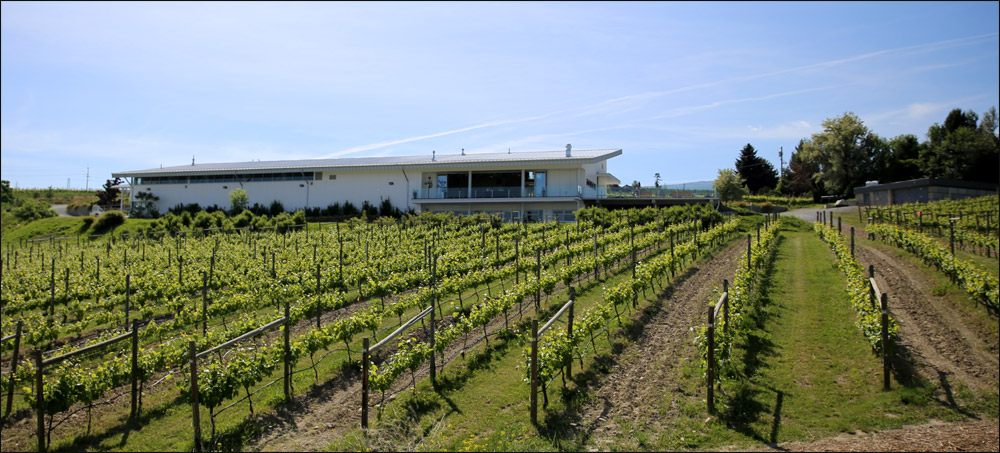
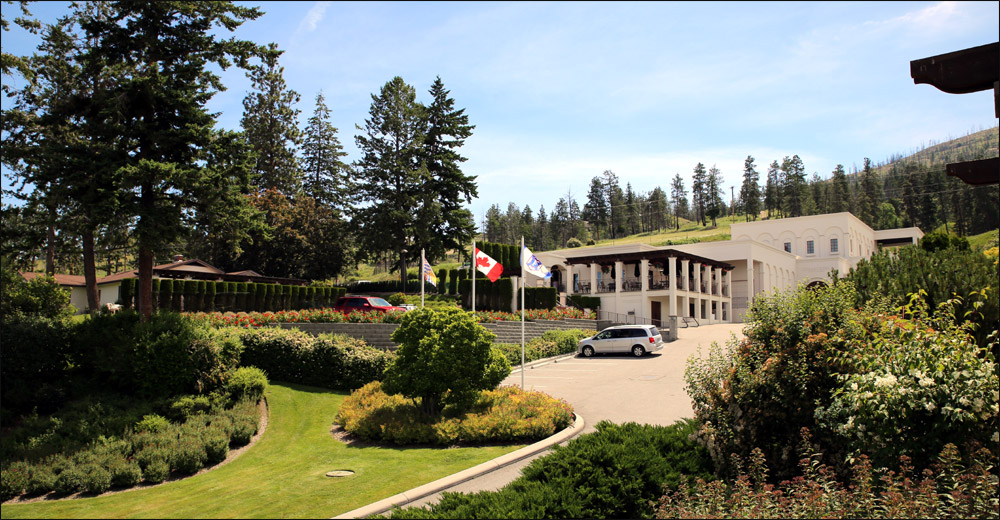
The last vineyard we visited in Kelowna was CedarCreek Estate. When we pulled up to the estate it felt a bit like some estates in Napa Valley, with well-manicured landscaping and beautiful buildings.
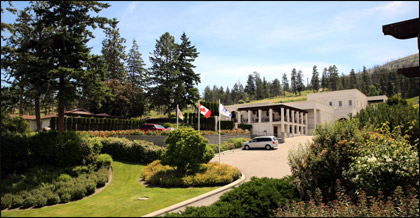
Of course the view of the giant lake made it clear that we were not in Napa Valley. But this is clearly a well-financed property, like many of those I’ve visited in Napa Valley.
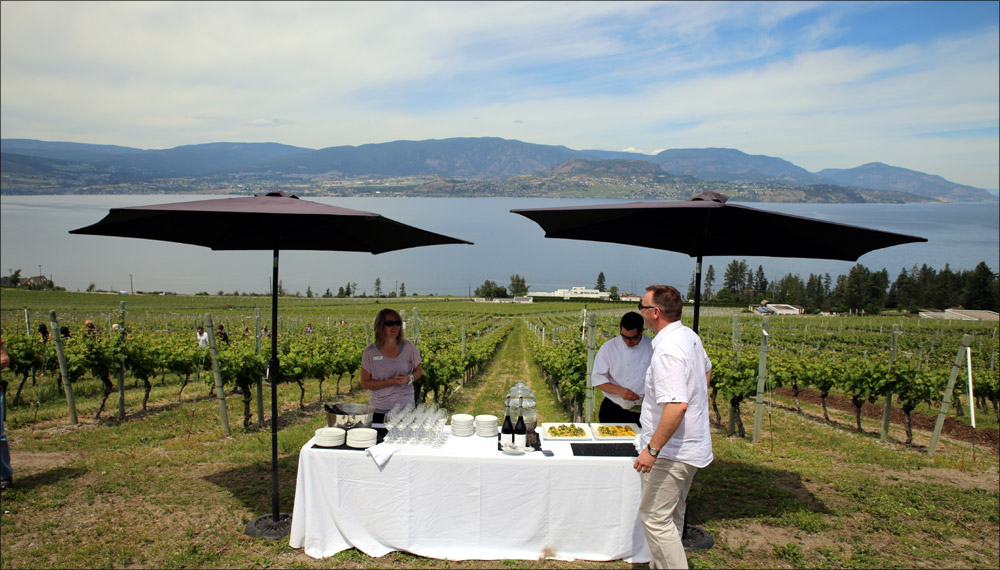
The vineyards here are fairly steep, going up the hill above the winery and looking down on the lake. The views are spectacular!
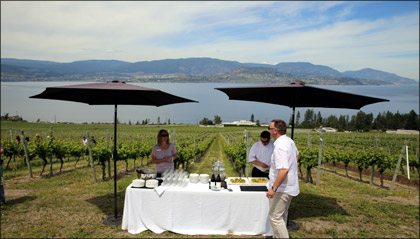
This was one of the first eight wineries in British Columbia, releasing their first wines in 1987. In addition to the vineyard we visited in Kelowna, they have vineyards a couple hours south in the Osoyoos region where the summers are hot enough to produce Bordeaux red wine varieties, which is what they primarily grow there. Altogether they manage 150 acres of vineyards.
The first wine we tasted here was an ehrenfelser, which is a cross between riesling and silvaner. It’s not a very widely-grown grape, with only about 400 acres of it in the world, primarily in the Okanagan Valley area and Germany. The 2012 CedarCreek Ehrenfelser has nice, fresh fruit aromatics, like peach and pear, and also offers some floral and flint notes. It has good acidity on the palate with peach and pear flavors. It’s a tasty wine and great one to try, especially if you’re working on your Wine Century Club membership.
Here are the other wines we tasted:
2012 CedarCreek Estate Winery Platinum “Block 3” Riesling
The nose is quite floral with nectarine and apricot to round it out. The flavors start out as green apple, with stellar acidity. Then apricot flavors pop up and intensify into finish. This is a very good riesling.
2011 CedarCreek Estate Winery Platinum “Block 5” Chardonnay
This is pretty much what I expect from a good chardonnay. It offers green apple, straw, butterscotch and light oak aromatics. It has good acidity and silky feel on the palate, along with balanced lemon, lime and mineral flavors.
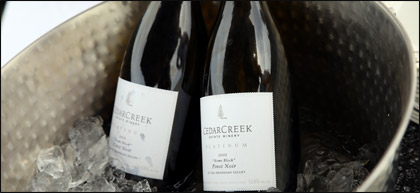
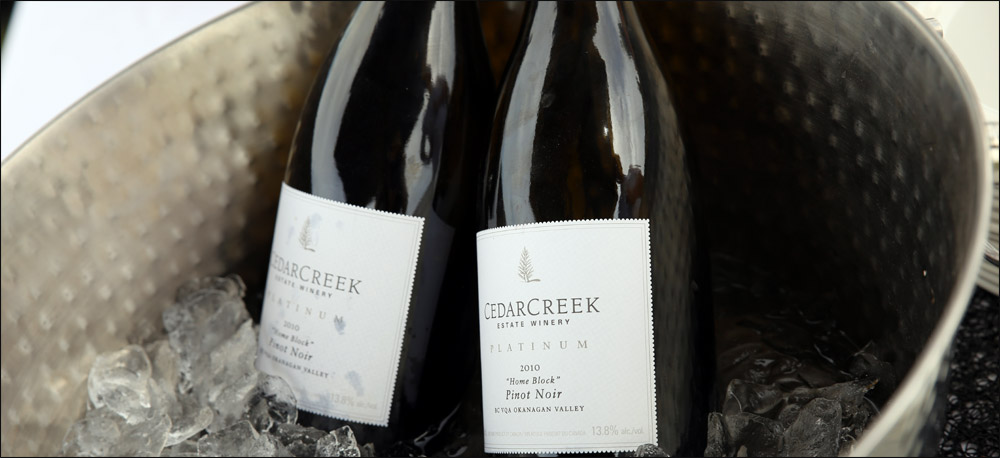
2010 CedarCreek Estate Winery Platinum “Home Block” Pinot Noir
The spice aromatics are fantastic, coming off with floral, nutmeg and raspberry notes. It’s loaded with juicy red raspberry flavors, along with plum and plenty of spice. The finish is nice and long. In a word, this wine is delicious!
2010 CedarCreek Estate Winery Platinum Merlot
The grapes for this wine come from their vineyards in Osoyoos. It offers oak, red licorice, plum, cedar and vanilla aromatics. While the palate is brimming with concentrated plum, raspberry and cherry flavors. Simply put, it’s good.
Getting to Kelowna
While I’d love to suggest that you pick up these wines in your local shop, I know that’s unlikely to be doable until exports of these wines increase. But if you’re interested in wine travel, this is definitely a region to consider. The regional population balloons in the summer months, as tourism is a major part attraction around the lake. I was told by the locals that the tourist season begins on July 1. I visited in early June when there didn’t appear to be too many tourists but the weather was perfect. It’ seems like the ideal time to venture to Kelowna.
There is an airport in Kelowna and it was an easy, one-hour flight from Seattle. You can also drive there from Seattle, but it’s about a five hour trek. Have fun!
One thing to look for in a pinot noir is one that comes from a “cool climate” region. The Los Carneros AVA in California is one such region. Carneros is north of the San Pablo Bay and includes part of both Sonoma Valley and Napa Valley.
The producers of this wine, Waterstone Winery, don’t own any vineyards or winery facilities to produce their wine. Waterstone was created by winemaker Philip Zorn and wine executive Brent Shortridge. Their vision was to create high-end wines at affordable prices. Now that’s a vision that I can respect, but how do you do that? Minimize the overhead, that’s how. After years in the industry they had established good relationships with growers as well as with vintners with facilities where Waterstone could create their wine. This allowed them to focus on making wine versus investing in land and equipment.
Of course this model might raise questions about consistency. But Waterstone has long-term contracts in place with their growers to create some insurance of consistency. That said, this is the first vintage of this wine that I’ve tasted, so I’ll let time tell how consistent they become. For now, I can say that the 2009 vintage of their pinot noir is very good.
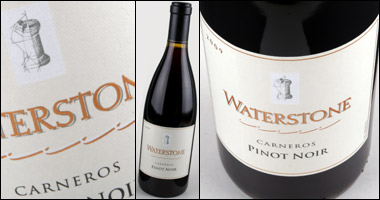
The nose on this pinot noir is amazing! It offers well balanced aromas of prune, cola, violets and cherry. The palate is also quite nice, with tasty cherry, blackberry and cranberry flavors that aren’t too sweet. The acidity is perfect. The mouthfeel is relatively smooth. It finishes with a burst of cherry flavor and tea-like tannins linger. It’s a nice wine.
While the suggested retail price of this is slightly over our typical $20 limit, you may be able to find this one for under 20 bucks.
Wine: Waterstone Carneros Pinot Noir
Variety: Pinot Noir
Vintage: 2009
Alcohol: 14.5%
Rating: 89
Price: $22.00
Disclosure: This wine was received as a media sample.
Find Waterstone Carneros Pinot Noir with Snooth
I was complaining just a couple weeks ago about the long names that appear on German wines and I think I just found a longer one. Wow. The name of this wine is a mouthful. But then a mouthful of this wine is a very good thing.
There was a time when I fell into the same trap that many American wine consumers do, I thought I didn’t like riesling. I’ve since figured out that I was just drinking the wrong riesling. And I might even go far as to suggest that riesling is the king of white wine, but I wouldn’t be the first to do so.
Yes, there are plenty of bad rieslings out there, but the good ones are exceptional. And the versatility of riesling is amazing, from bone dry to sweet dessert wine and every stage in between riesling excels. This one from the Mosel region of Germany is a “halbtrocken” which translates to “half dry” and means that the wine is a touch sweeter than “trocken” or “dry” wines. But it’s still relatively dry. You might think of it as an off dry wine, although in German “feinherb” means “off dry.” That said, feinherb isn’t a technical classification, while halbtrocken is.
Have I mentioned lately how anal the German’s can be about wine classifications? In a way I like it (disclosure: I have some German heritage) but in a way I don’t know how any normal wine consumer (i.e. someone who’s not a total wine geek) can understand it all.
Regardless of how much time you want to invest in learning all the terminology associated with German wine, you can still enjoy this wine.
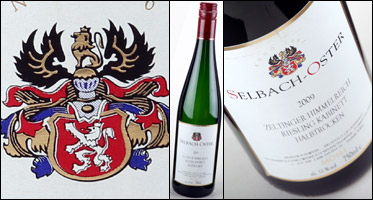
This wine has exactly what I love in a “half dry” riesling, showing aromas like lemon, pear, honeysuckle, bath salts and petrol. Some people are turned off by the petrol aromatics that riesling can show, but it’s varietally-correct and I think it adds depth and character. The palate is nice and tart, but thankfully not puckeringly-tart, and offers lemon, apple, pear and mineral flavors. The acidity is perfect. The finish is plenty long, with lemon and apple flavors, plus a touch of salty mineral. This wine is fantastic!
Wine: Selbach-Oster Zeltinger Himmelreich Riesling Kabinett Halbtrocken
Variety: Riesling
Vintage: 2009
Alcohol: 11%
Rating: 91
Price: $20.00
Disclosure: This wine was received as a media sample.
Find Selbach-Oster Zeltinger Himmelreich Riesling Kabinett Halbtrocken with Snooth
Woowee! It’s been a busy couple weeks for me and I’ve been slacking at updating things here at Cheap Wine Ratings. But I know you’re looking for a new wine to try, so let me get another review out there.
This one is going to be a short and sweet review as I don’t have much background about the wine, other than I know it’s good. Well… I do have a little more background than that.
This wine is a cabernet franc, which is a Bordeaux variety. It’s a variety that’s often compared to it’s close cousin, cabernet sauvignon. Cabernet franc is known for being more aromatic/perfumey and fruity than cabernet sauvignon. I’ve heard some people describe cabernet franc as having more “vegetal characteristics” but that’s actually indicative of bad cabernet franc. Herbal is OK, but strong vegetal notes is indicative of overcropping, which means the fruit to leaf ratio on the vines was too high—preventing the grapes from fully ripening.
Chile isn’t particularly known for cabernet franc, but that’s where this one was produced. To be more specific, this comes from the Colchagua Valley in Chile. And based on how good this one is, perhaps Chile will become more well-known for this variety.
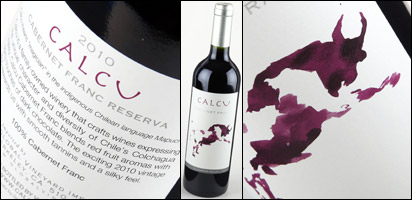
The nose is pretty intense, with loads of black cherry, plum, blackberry and chocolate aromatics. There’s quite a bit of spice too, like nutmeg. In the mouth it’s more big black cherry, plum and cassis. Moderate tannins give it slight silkiness. The acidity is just right. The finish is quite long, with lingering berry flavors and spice.
Wine: Calcu Cabernet Franc
Variety: Cabernet Franc
Vintage: 2010
Alcohol: 13.5%
Rating: 90
Price: $14.00
Disclosure: This wine was received as a media sample.
Find Calcu Cabernet Franc with Snooth
Attention German wine producers. Please see the title on this review, which happens to be the name of a wine from your country. If you’re finding that Americans aren’t buying as much of your wine as you’d like, perhaps you might consider shortening the names on your wines. Us Americans, generally speaking, aren’t very good with foreign languages. And we have a hard time remembering names that include more than three words.
I know that some German wine producers have gotten the memo about how us Americans like short, easy names for our wines. For example, Clean Slate is a German riesling with a simple name. And it’s a popular one here.
This particular wine from Weingut Max Ferd Richter in Mosel is one that I love. It’s tasty and it’s an exceptional value. Let me bold exceptional. Yep, it’s good and it’s cheap. But I would never remember the long, complicated name when I go to the wine shop. And that’s why I’m putting this picture here for my readers. If you like dry riesling, look for a bottle that looks like this, make sure it says “Mülheimer Sonnenlay” on the label and buy it. You’ll be glad you did.
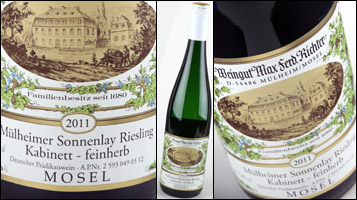
This wine has a classic riesling nose offering orange blossom, lemon, apple and mineral aromatics. The palate is dry and delicious with loads of apple, pear and citrus flavors. The floral aromatics linger on the finish, along with tart apple. The acidity is good. It has a bit of mineral but is not an intensely mineral riesling. This wine is yummy and quite a bargain.
Wine: Weingut Max Ferd Richter Mülheimer Sonnenlay Riesling Kabinett
Variety: Riesling
Vintage: 2011
Alcohol: 11%
Rating: 87
Price: $9.00
Disclosure: This wine was received as a media sample.
Find Weingut Max Ferd Richter Mülheimer Sonnenlay Riesling Kabinett with Snooth
Earlier this week I was invited to a #winechat to taste and discuss Casablanca Valley pinot noir. #winechat is a Twitter event every Wednesday evening, when folks interested in wine get together online to discuss a certain type of wine. There’s a specific theme each week.
For the Casablanca Valley pinot noir #winechat, three media samples were sent to me and a few other folks. We basically taste the wines and share our thoughts. It’s a fun way to explore wine and compare your impressions about the wine with other connoisseurs.
Maybe five, certainly ten years ago, if someone had offered me a Chilean pinot noir I would have had my doubts about it. But today there are a number of producers making very good pinot noir in Chile. The challenge with pinot noir is that it’s finicky in the vineyard. It doesn’t like hot, dry or windy conditions. Cool climate regions tend to treat it best, all though not too cool as it’s also sensitive to frost. Casablanca Valley turns out to have pretty good conditions for pinot noir.
Now that Chile has identified regions where pinot noir flourishes, production is steadily increasing.
Here are my notes on the wines we tasted this week.
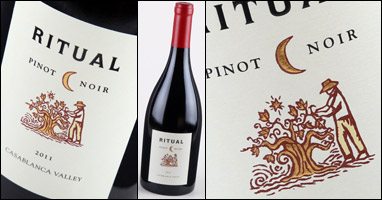
Veramonte Ritual Pinot Noir
The aromatics on this wine have a quality that I describe as “sharp” or “high-pitched” by which I mean that the aromatic profile has a very tight focus on particular scents (versus being broad across varied scents) and the sensation of those scents is notices high within the nasal cavity, giving it a “high-pitched” quality. It’s hard to explain in words. The more familiar descriptors I can give for the scents are strawberry, cherry, cola, sage and nutmeg. The palate brings a very smooth mouthfeel. It offers flavors such as cherry, red raspberry, plum and a touch of coffee. The acidity is perfect. The finish, long. A very good wine.
Wine: Veramonte Ritual
Variety: Pinot Noir
Vintage: 2011
Alcohol: 14.5%
Rating: 87
Price: $18.00
Disclosure: This wine was received as a media sample.
Find Veramonte Ritual Pinot Noir with Snooth
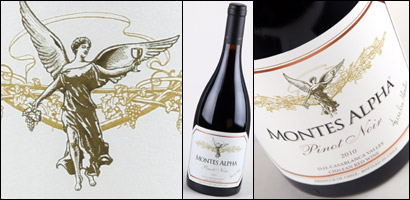
Montes Alpha Pinot Noir
This wine has a lot going on in the nose, with plenty of floral aromas, eucalyptus, cherry, strawberry and leather all coming together beautifully. This is one of those wines you could spend twenty minutes just exploring the aromatics. In the mouth, I’m first struck by a strawberry flavor, but it quickly expands to reveal wild cherry, plum, red raspberry and tea flavors. The acidity is very good, as is the mouthfeel. The finish is relatively long with cherry, tea and mineral flavors.
Wine: Montes Alpha
Variety: Pinot Noir
Vintage: 2010
Alcohol: 14.5%
Rating: 89
Price: $21.00
Disclosure: This wine was received as a media sample.
Find Montes Alpha Pinot Noir with Snooth
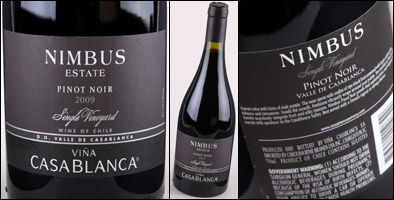
Viña Casablanca, Nimbus Single Vineyard Pinot Noir
The nose is a little tight on this one, but eventually opens up to reveal blackberry, tree bark, cranberry and plum aromas. Give this one good time to open up, it’s worth it. The palate is moderately dense, offering blackberry, cranberry, plum and cherry flavors up front, with some black tea and black pepper flavors showing up mid-palate and into the finish. This wine is a bit more on the earthy side, but has plenty of fruit too. It’s a very nice wine.
Wine: Viña Casablanca, Nimbus Single Vineyard
Variety: Pinot Noir
Vintage: 2009
Alcohol: 14.5%
Rating: 89
Price: $20.00
Disclosure: This wine was received as a media sample.
Find Viña Casablanca, Nimbus Single Vineyard Pinot Noir with Snooth
I am a nerd when it comes to wine. OK, I’m a nerd in many ways but let’s stick to wine for today. I get super excited when I get a chance to try a wine that’s different from the typical wines I encounter. Tasting wines from unique grapes or regions is a big deal and something that I get excited about.
When I opened the box and saw these two wines from St. James Winery in Missouri I was thrilled! I’ve never tasted wine from Missouri before. And the grapes in these wines are not your typical wine grapes. Nope this is a chance to taste norton, rougeon, chardonel and vignoles from the Ozark Highlands AVA.
I know a lot of people wouldn’t even give this wine a chance. They would assume that there’s no way a wine from the Ozark Mountains could be good. But I was optimistic. I really, really wanted to love this wine. I wanted this to be a chance to squelch those naysayers.
But alas, I couldn’t walk away from this tasting saying that I loved the wines. There are aspects to them that I like and I think they’re good enough to surprise the doubters.
I do respect these wines. And I respect the producers at St. James Winery for what they’ve created. Producing wine from this region must be a challenge. Many of the typical wine grapes won’t work well here, so producers work with other grape varieties, which will produce flavors that are different from what most wine consumers are familiar.
I’m not giving up yet. I think there’s potential for great wines from Missouri and from St. James. These two are just OK. But I look forward to tasting what else the region has to offer.
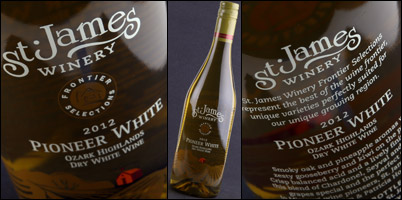
St. James Winery, Pioneer White 2012
This wine is a blend of chardonel, seyval and vignoles.
The nose is very elegant and enjoyable. It’s loaded with peach and citrus aromatics. If I were only reviewing the aromas on this wine it would be a 90+. But the palate is disappointing after smelling the wonderful aromatics. It offers light peach flavors, which are good, but it’s lacking the acidity it needs to make it pop. Fortunately it’s not overly sweet, which makes the lack of acidity somewhat forgivable. But it just ends up being rather dull. It doesn’t have any bad flavors, just not enough life to the flavors that are there.
Wine: St James Winery, Pioneer White
Variety: White blend
Vintage: 2012
Alcohol: 12.5%
Rating: 82
Price: $10.99
Disclosure: This wine was received as a media sample.

St. James Winery, Pioneer Red 2012
This wine is a blend of norton, chambourcin and rougeon.
The nose of this wine shows a lot of black cherry and plum aromatics, along with some floral notes and oak. While the aromatics are pleasant, they aren’t quite harmonious, that is to say it’s as though the different aspects of the aroma seem to exist along side one another versus “singing in unison.” The palate is much the same, black cherry being very dominant, with some plum and raspberry to support it. It tastes good, but the flavors don’t gel together in that magical way that makes a wine exceptional. The acidity is good and the mouthfeel nice. It is a relatively light wine.
Wine: St James Winery, Pioneer Red
Variety: Red blend
Vintage: 2012
Alcohol: 12.5%
Rating: 83
Price: $10.99
Disclosure: This wine was received as a media sample.
While neither of these were a “knock my socks off” wine, they are still very drinkable and worth a try so that I can say I’ve had a wine from the Ozarks.


 Prev
Prev