Happy New Year! I know that was over a week ago, but I’ve been preoccupied with my day job and a big kitchen remodeling project, so admittedly I’ve been neglecting this site. But I haven’t forgotten it.
I wanted to start the new year with getting back to my wine blogging roots and write up a little Spanish Garnacha.
Yep, Garnacha was the first wine I wrote about here, back in 2007. And for good reason. For those value hunters, like me, Garnacha is often an easy choice when looking for a red wine with a lot of bang for your buck. They tend to be a little bit on the fruity side, but they’re quite approachable and a bit more interesting than a lot of other cheap wines.
My choice today is the Cruz de Piedra, Selección Especial Garnacha, produced by Bodegas Virgen de la Sierra. It come from the D.O. Catalayud region, just northeast of central Spain, which I’ve found to be a pretty reliable region for good, inexpensive Garnacha.
For those total nerds who care about this sort of thing, this wine was fermented in concrete tanks, followed by skin maceration. Then the wine goes through malolactic fermentation in oak barrels, where it rests before bottling.
The producers make a couple different Garnachas and they call this one “Selección Especial.” And I would say, yes it is especial.
The nose is pleasant, although a little tight, offering some cherry, prune and spice aromatics. The mouthfeel is very nice, it has just enough texture to make it seem luxurious. The flavors are good with prune, cherry and raspberry dominating, there’s a bit of spice too. It finishes relatively long and tasty.
Wine: Cruz de Piedra, Selección Especial
Varieties: Grenache
Vintage: 2012
Alcohol: 14.5%
Rating: 87
Average price: $12.00
Disclosure: This wine was received as a media sample.
Find Campo Viejo Garnacha with Snooth
When it comes to dessert wine, there’s no single type that gives you as much variety as Port. It’s one of my favorites, in part because a good Port is absolutely delicious and in part because there are so many ways to enjoy it. I’d say it’s much more more diverse than just a dessert wine.
It’s an interesting and potentially challenging wine to get started with, because with so many variations it can be a little confusing for beginners. But if you’ve been wanting to give Port a try and you’re not sure where to start, I have a few ideas to get you started.
Before I get into which ones to try, let me touch the basics of what Port is and the different styles.
What is Port?
Let’s start with the basics of the basics. Port is a fortified wine, which means it’s a wine that begins production like any other wine but brandy is added in order to stop fermentation early. This raises the alcohol level of the wine and leaves sugars un-fermented, resulting in a sweet wine.
Types of Port Wine
As I mentioned, Port can be a little confusing for beginners. You might have come across Ruby Port, Tawny Port, Late Bottle Vintage, Reserve, White Port, Colheita, 10 year, 20 year and others. And you might wonder what the difference is between all these and which one you should try. Let me try to simplify and make sense of all these variations. There are four basic categories of Port and some sub-categories within those. While not an exhaustive list of the different types, here are some of the most common:
- Ruby Port is (as you might guess from the name) a red Port with deep, dark purplish-red color and typically has rich dark berry flavors. It comes in a few different sub-categories.
- Ruby Port – This is your basic red port and is the most widely produced style. It’s sold while relatively young (3-5 years of aging), has fresh fruit flavors and isn’t intended for bottle aging.
- Reserve – A higher quality version of Ruby Port, as deemed by the IVDP (the regulatory body that oversees Port production).
- Late Bottle Vintage – A Ruby style Port from a single vintage that is typically bottled 4-6 years after harvest.
- Vintage Port – A Ruby Port of the highest quality from the best vintages, bottled between the 2nd and 3rd year after harvest. Bottle aging adds elegance to these wines and they typically can age well for 30+ years. If you want to get into Vintage Port, now is a great time as the 2011 vintage is being lauded as one of the best vintages ever.
- Tawny Port is aged in casks or vats, where oxygen contact transforms the the color, aromas and flavors of the wine. A Tawny typically has a brown hue and aromas & flavors such as caramel, honey and butterscotch. You can find a basic Tawny, but you’re better off trying one of these sub-types.
- 10, 20, 30 or 40 Year Tawny – These are a blend of different vintages with an average age of that indicated on the bottle. Each Port house has it’s own style of blend, so if you like Tawny you should try those from a few different houses to find your match.
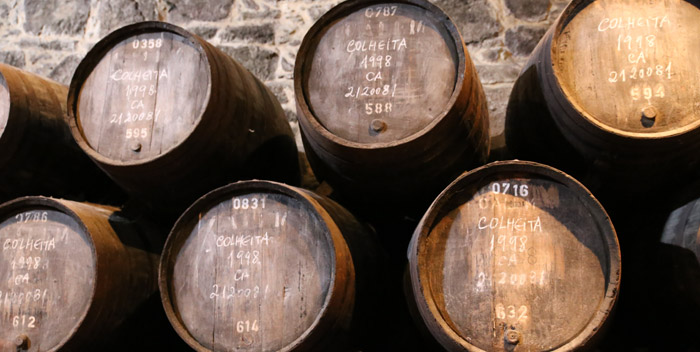
- Colheita – This is a Tawny from a single vintage. You won’t come across these as often as others, but if you see one at a good price snag it!
- White Port is made from white grapes and is typically sold young (although there are some exceptions). The level of sweetness can vary. For my purposes in this primer, I’m only going to touch on basic white port, which is often used for making Port cocktails.
- Rosé Port is similar to White Port in that it’s a younger Port and good for Port cocktails, however it’s made from red grapes which only undergo light maceration in order to restrain the color, tannins and depth of the flavors.
Getting Started with Port
So, with so many different types & sub-types of of Port, where should one start if they want to become acquainted with this wine?
I had a conversation about this with a good friend and self-appointed Port wine ambassador, André Ribeirinho, and his thoughts were totally aligned with mine. André has been an evangelist for Port for longer than I have known him. He lives in Portugal, where he has much better access to great Port than I do, and he’s a Knight of the Port Wine Brotherhood. In short, he knows his stuff and if you really want to learn about Port I suggest you follow him @andrerib.
Here’s where we landed…
Start with a Ruby Port. This will show a lot of rich berry flavors and give you a sense for Port, although it won’t show much of what ageing does to the wine. It’s a fairly approachable style of Port for newbies. And to enjoy it even more, try it with some chocolate.
If you want to explore more complex Port with some aging, you’ll find the best balance between aging and affordability with a 20 year Tawny Port. Expect to pay between $30 – 50. I realize this is higher than the typical price range of wines I normally write about, but it’s not a typical wine. This is a wine that you can enjoy over several days. You just need a little taste, not a big glass. Since the wine is oxidized during ageing, it will keep fine for a number of days after opening the bottle. One note, while these wines are well-aged prior to bottling, they are not meant to be aged in the bottle. You’ll see a “bottled” date on these wines and you’ll want to consume them within the first few years of that date.
If 20 year Tawny is out of your price range, you can get a 10 year Tawny Port for a little less — although the characteristics from ageing will not be as prominent. I actually like to use this as the wine in my tiramisu recipe.
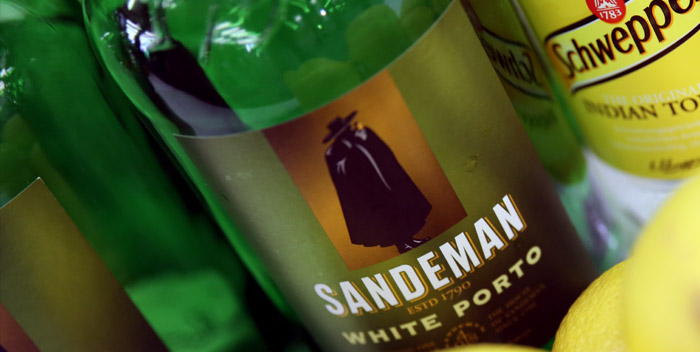
Finally, another fun way to get started with Port is by trying Port cocktails. I was recently at the Digital Wine Communicators Conference in Montreux, Switzerland where I came across a couple reps from Sandeman serving cocktails they called the Sandeman Sangria and Sandeman Splash. Those are super tasty drinks, using Port wine as the only alcohol in them, and there are several other cocktails you can make with Port too.
A Few Reviews
While I recommend exploring a number of different brands of Port, I’ve tasted a few Port samples recently and wanted to share my notes from those.
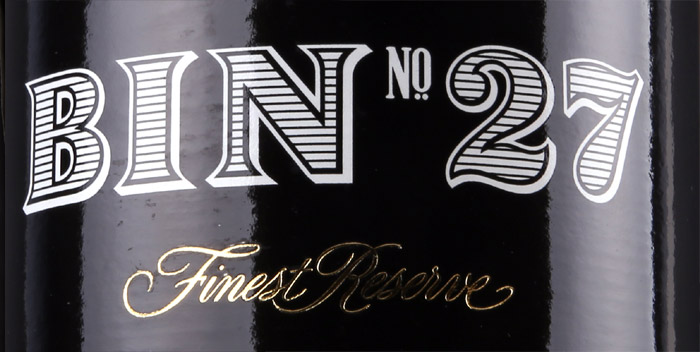
Fonseca, BIN No 27 Finest Reserve
If you want to start with a Ruby Port, this is a great choice. This is a step above your basic Ruby port, blended across vintages in order to create a more consistent style from year to year. Blackberry, mushroom, nutmeg and allspice aromas are nice, but the nose isn’t the best part of this wine… the palate is. Juicy blueberry, blackberry and coffee flavors with a balanced sweetness. The mouthfeel is rich and velvety. It finishes with lingering blueberry and chocolate flavors. It’s delicious.
Wine: Fonseca, BIN No 27 Finest Reserve
Style: Ruby Port
Alcohol: 20%
Rating: 87
Price: $19.00
Disclosure: This wine was received as a sample.
Find Fonseca, BIN No 27 Finest Reserve with Snooth
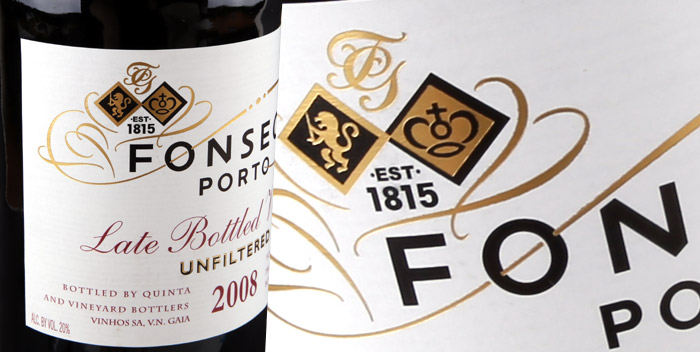
Fonseca, Late Bottled Vintage 2008
For those wanting to adventure into the LBV territory this is an affordably-priced way to do so. Plum, blackberry, mushroom, maple and strawberry aromas create a complex and exciting nose. The palate abounds with concentrated blueberry, strawberry, blackberry and caramel flavors. It’s harmonious and most importantly it’s delicious. The finish is overflowing with long-lasting berry flavors. This is a very tasty Port.
Wine: Fonseca, Late Bottled Vintage 2008
Style: Late Bottled Vintage Port
Alcohol: 20%
Rating: 88
Price: $22.00
Disclosure: This wine was received as a sample.
Find Fonseca, Late Bottled Vintage 2008 with Snooth
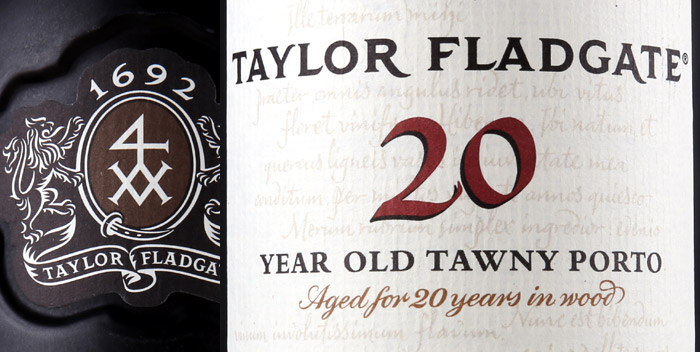
Taylor Fladgate, 20 Year Old Tawny Porto
This is my “go to” 20 Year Tawny, mostly driven by availability in shops in my area although it’s pretty darn good. Caramel, butterscotch, coriander and vanilla aromatics create a delightful nose on this wine. It has good intensity too. In the mouth, it’s delicious, offering rich caramel, coffee, orange peel, cinnamon and allspice flavors with outstanding concentration. It’s sweet, but still earthy and balanced. The finish is long and delicious. This is a delicious port.
Wine: Taylor Fladgate, 20 Year Old Tawny Porto
Style: 20 year Tawny Port
Alcohol: 20%
Rating: 90
Price: $50.00
Disclosure: This wine was received as a sample.
Find Taylor Fladgate, 20 Year Old Tawny Porto with Snooth
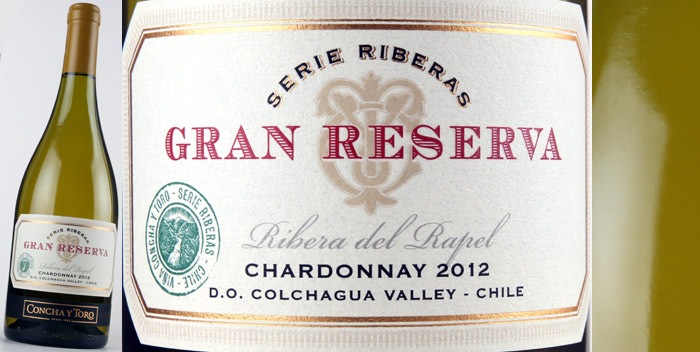
The wines from Concha y Toro’s “Gran Reserva Serie Riberas” line come from vineyards along select river banks in Chile. “Serie Riberas” translates to mean river banks series. And it’s an interesting concept, knowing how influential rivers can be on a wines characteristics.
Think about it, some of the best wine regions are along rivers. This is no coincidence. The micro-climates created by rivers often create conditions that are good for growing grapes. So Concha y Toro had the idea to create a series of wines made from grapes grown along the banks of Chile’s major rivers.
This chardonnay comes from the banks of the Rapel river in Colchagua Valley.
Powerful citrus and melon aromas dominate the nose, but it also reveals some floral and peach too. The palate brings a luxuriously-creamy mouthfeel and rich lemon, melon, apple, peach and mineral flavors. The mineral really comes out on the finish. Although the wine was aged for 9 months in French oak, it’s not over-oaked (my complaint about a lot of chardonnay). This wine gives me a reason to be excited about Chilean chardonnay.
Wine: Gran Reserva Serie Riberas
Variety: Chardonnay
Vintage: 2012
Alcohol: 14%
Rating: 88
Price: $17.00
Disclosure: This wine was received as a sample.
Find Gran Reserva Serie Riberas Chardonnay with Snooth
The Mosel region in Germany is the source of some of my favorite riesling. Why? Because it tends to be vibrant and lively, complex and balanced.
Some Mosel rieslings are dry and some are sweet, this one is on the drier side but it still has lots of life to the fruit. Let’s get right to the notes on this one.
The nose of this wine is delightful, with floral aromas providing the high notes and mineral providing the base low notes. The palate is also delightful, offering pineapple, grapefruit, lemon, green apple and mineral flavors. It’s got a lot of zing to it to, with outstanding acidity. The mouthfeel is good, although it could have a little more texture. It finishes with lingering pineapple and granny smith apple flavors.
This wine has just what I want from a riesling. And you have to love the Tron-like font on the label.
Wine: C.H. Berres, Impulse
Variety: Riesling
Vintage: 2010
Alcohol: 11.5%
Rating: 88
Price: $16.00
Disclosure: This wine was received as a sample.
Find C.H. Berres, Impulse Riesling with Snooth
Zinfandel is one of those wines that can be rather divisive. Some people love it and others hate it. Those who love it are often fanatical about it. They like wines that are bold and aggressive and wines with over-the-top fruit flavors and spices. To them, zinfandel is not just a wine, it’s an attitude.
Personally, I understand what some people love about zinfandel and sometimes I love it too. Yet I’m not a total zin fanatic. I tend to prefer wines that are a little more elegant than your typical zinfandel, although to be fair I have to say that zinfandel can be elegant too.
One of my favorite zinfandel producers is Four Vines and they make both the bold, aggressive style zinfandels and some that are more elegant. Their more elegant ones tend to be priced a little higher. This one is their most affordably-priced zin and it’s bold.
If you like a wine that is bursting with nutmeg, toasted oak and cedar aromas then you’ll dig this wine. If you’re not one of those people, you may not like this wine. In addition to those intense spice aromas, you’ll also find some plum and blackberry on the nose. In the mouth it offers rich black raspberry, plum and plenty of spice. The acidity is fantastic. The mouthfeel is good, but could be smoother. This is a bold, intense zinfandel, but lacks some balance and elegance. Of course if you prefer a wine that is more intense than elegant, you may dig it.
Wine: Four Vines, Truant
Variety: 77% zinfandel, 13% syrah, 5% petite sirah, 3% barbera and 2% sangiovese
Vintage: 2010
Alcohol: 14.4%
Rating: 85
Price: $12.00
Disclosure: This wine was received as a sample.
Find Four Vines, Truant with Snooth
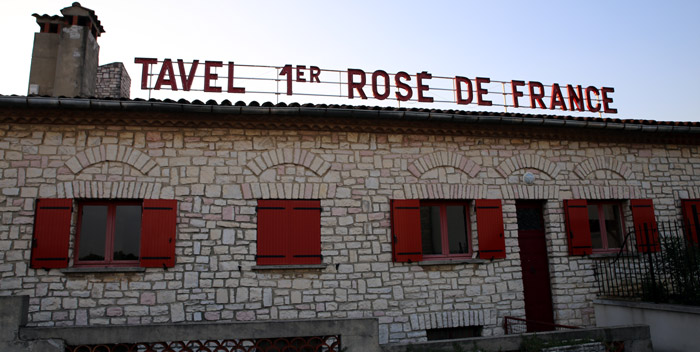
If you’ve ever been to southern France, you know that rosé wines are the thing to drink there. Some of them are good, some of them are great, but the ones I most want to drink are Tavel.
Located on the right bank of the Rhone River, Tavel has just over 900 hectares of vines planted solely for the production of rosé. It’s a region with a long history, including the designation of the AOC status in 1936 when the system was first introduced. Tavel was one of only a few appellations to receive AOC status at that time. The wine of the region is also often credited as being favored by Louis XIV and Philippe le Bel.
But despite its rich history, Tavel isn’t a “household name” currently known by a lot of wine lovers — at least that’s been my experience here in the US. Yet they are producing some of the most spectacular rosé out there. Wines that have pronounced mineral characteristics, great balance, complex and enticing aromatics, crisp acidity and rich fruit flavors (while still being bone dry). These are wines to cherish and celebrate. And that’s why I wanted to visit and write about Tavel.
I visited Tavel a few weeks ago on a press trip with a group of other wine writers. The trip was sponsored by Syndicat Viticole de l’Appellation Tavel.
We started our visit by going out to the vineyards to see the land and learn about how it impacts the wine. I’ve often said that no matter how much I read about a wine region, I never truly understand it until I go there and experience it first hand.
There are three main types of soil in the region and each has a different impact on the wine.
-
-
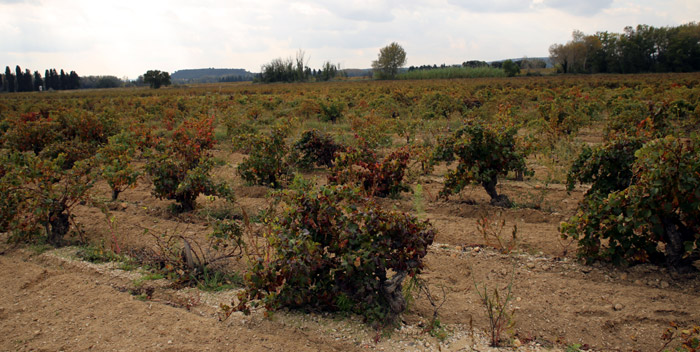
The sandy soils of Tavel
-
-
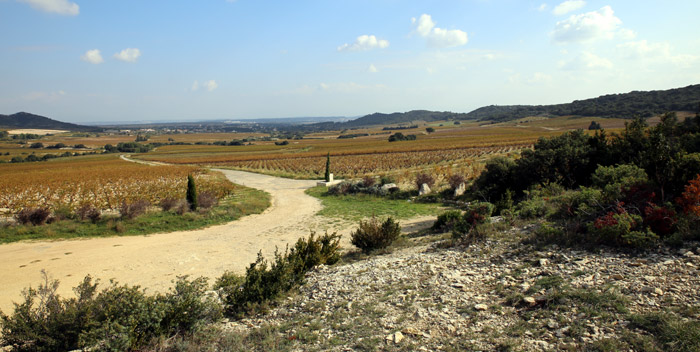
The lauses in tavel are made up of brittle limestone soils.
-
-
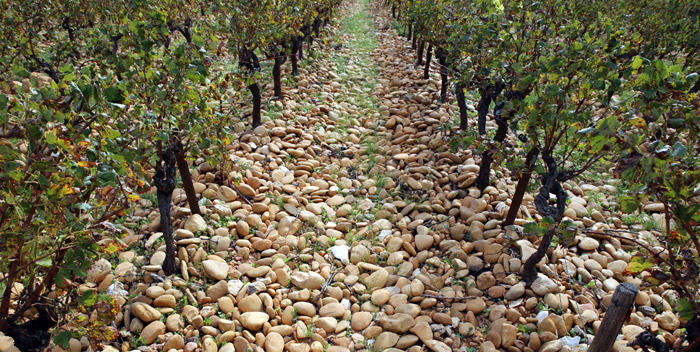
Galets roulets (or rolling stones) in the vineyard
-
-
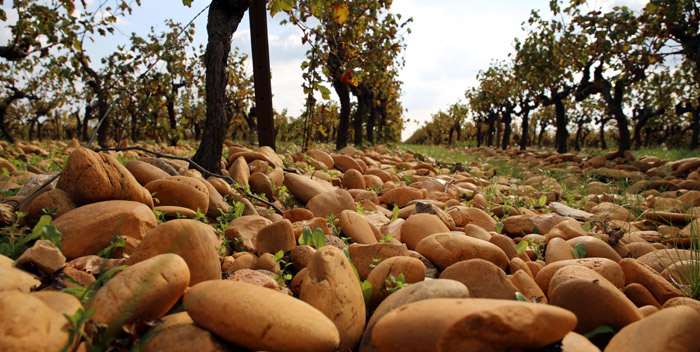
Galets roulets create a dramatic view in the vineyards
- Sandy Soil: The vineyards with sandy soils are the original lands used for vineyards in the region. This isn’t sand like you would find on a beach, but is like broken down limestone mixed with a little bit of clay. The soil lacks organic materials and is only a couple feet deep before hitting bedrock. Wines made exclusively from grapes grown in this soil are said to be more elegant than others.
- Galets Roules: One of the most visually striking soils in Tavel is what locals call galets roules (or rolling stones). These are rounded river rocks that ended up in the area when the Rhone river flowed over these lands thousands of years ago. I was told that the Rhone was once some 20 kilometers wide! In the vineyard, the stones warm in the sun, providing extra warmth to the vines. After taking a short walk on them I can also say that I’m not envious of the workers who tend to those vines. It must be ankle-breaking work. Wine from these vineyards is said to have a rounder flavor.
- Lauses: The third type of soil is made up of brittle limestone and slate stones. It’s a stone full of color variations that is often quarried to be used in homes. Wines produced from vines grown in this soil are said to have more fruity aromas and intense mineral characteristics.
Most wines produced in Tavel are made from a blend of the three soil types, however you can find some wines produced from a single terroir.
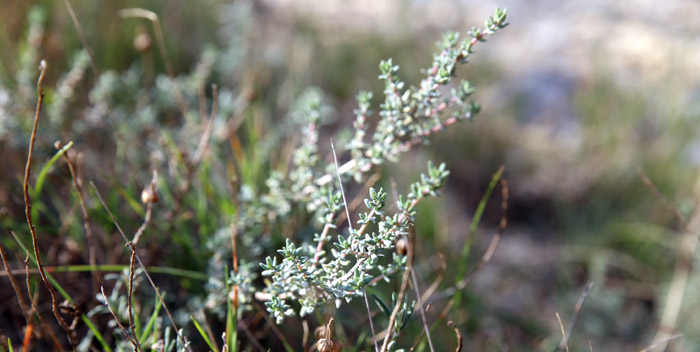
In addition to the influence of the soils, I noticed that the brush growing around the vineyard (called “garrigue” by locals) was also quite fragrant with lots of thyme, juniper, rosemary and other herbs. I’ve commented before, such as after my visit to Mt. Etna, how those aromatics also tend to appear in the wines. And that was the case in Tavel.
The Wine… The Magical Wine
Here I am rambling on about soil types and garrigue, which don’t tell you a whole lot about the wine unless you go there to experience it yourself (which I highly recommend). So let’s talk about the wine a little bit.
When I was in Tavel, I sat across from Fabrice Delorme from Domaine de la Mordorée at lunch and he didn’t talk about wine. He talked about food and how it pairs with Tavel. And for good reason. Tavel is one of the most food-friendly wines I’ve had. It goes well with nearly anything, but is best with vegetables, seafood, spicy asian food, poultry and cheese. If you like wine and food pairings, you can find some great ones with Tavel.
-
-
The garrigue of Provence impacts the aromas of Tavel wine
Another thing that’s interesting about Tavel is that it’s one of the few rosé wines that can age well. I had an opportunity to taste a couple aged Tavel wines and they were spectacular! While you can buy Tavel while it’s still young, it’s suggested that most will be better with a year in the bottle and some will benefit from more ageing.
And if you’re not yet convinced that Tavel is worth a try, think about this: All wines produced in Tavel are rosé. Many rosé producers in other regions that aren’t exclusively rosé treat their rosé as a side project. In other words, it’s not the most important wine in their portfolio and they’re likely to dedicate their best vineyards to either red or white wines. But in Tavel they focus on one thing, and that thing is rosé.
In addition to the outstanding quality of the wines, another thing that I was pleased to find was the prices. While it’s not the cheapest rosé you can find, I found a number of them that were quite reasonably priced. Certainly there are many in the under $20 a bottle category. Some of the best values can be found at Les Vignerons de Tavel, a cooperative of about 60 growers. I tasted several of their wines, all of which were delicious and none of which were over 10 euros per bottle.
Ultimately, the only way for you to understand why you should be as excited by Tavel as I am is to taste a bottle. Here are a few suggestions of ones to try, although don’t limit your options to just these:
Château Trinquedevel Traditional Reserve 2013
If you only try one Tavel wine, this is the one to try. Of all the wines I tasted in Tavel, this is the one I went back to time and time again. I have found at tastings that there is often one bottle of wine that draws me in, that is even more magical than the others, that I keep going back to in order to taste again. In Tavel, it was this wine. Produced exclusively from sandy soil vineyards, this wine is very elegant and is absolutely delicious.
Domaine de la Mordorée La Reine des Bois 2013
This is one of the wines I had an opportunity to taste both the current vintage and an aged vintage. The current vintage was very good, but the aged vintage was exceptional. Get a bottle of this and stick it in your cellar for a few years. It will be worth the wait.
Domaine Maby Prima Donna 2013
Offering a good balance of fruit and mineral, characteristics this is a good representation of Tavel.
Domain Lafond Esprit de Roc Epine 2013
While most Tavel is produced in stainless steel, this one spent a little time in oak casks. If oak is your thing, you might prefer this style — which is a pretty unique thing, even in Tavel.
Les Vignerons de Tavel Les Lauzeraies 2013
From the cooperative I previously mentioned, this wine brings beautiful perfumed aromas and mineral.
I know this sounds like a total love-fest over Tavel. And if you’re skeptical you may think my praise is purely due to the fact that I visited there on a press trip. But I assure you, I’ve legitimately fallen in love with this wine and I’m putting my money where my mouth is and I’m stocking up on it. If you’re a fan of rosé (like I am) give Tavel a try. You won’t regret it.
Disclosure: I visited Tavel as a part of a sponsored press trip organized by Syndicat Viticole de l’Appellation Tavel. My local travel and accommodations were provided by the sponsors.
It has been a few weeks since I’ve posted any updates here, but for good reason — I’ve been traveling to visit wine producers in France and Switzerland. I’ll be writing up details on those producers in the coming weeks, but I wanted to get a quick new review up while I work on those longer pieces.
So today I have a review from one my favorite wine regions, Chianti Classico. (For those who are keeping track, yes I do have a lot of “favorite” wine regions. Is that a bad thing?)
I visited Chianti Classico a few years ago on a press trip and I still recall it as one of the most beautiful places on earth. And the wines are one incarnation of that beauty.
I’ve written in the past about how confusing the Chianti designations can be, as there’s not just one. You have Chianti, Chianti Superiore, Chianti Rufina, Chianti Classico, and Chianti Classico Riserva to just name a few. These represent different regions & sub-regions and related production specifications, such as the types of grapes used and the ageing of the wines. They are meant to reflect a level of quality too, although I wouldn’t say that all wines within any one of the classifications are equal. That said there is some credence to the idea that wines with specific designations should be better than other designations.
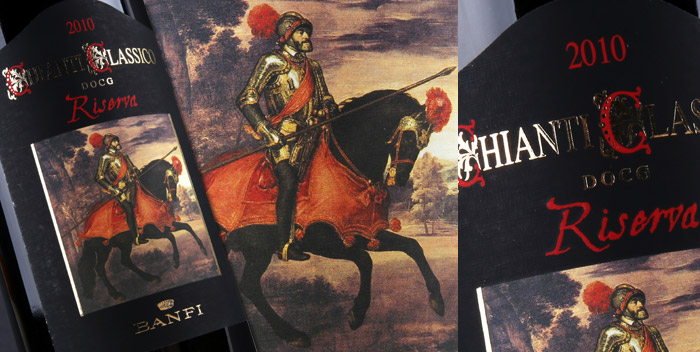
As I said, it can all be confusing for the average consumer to keep track of it. So if you want to simplify things, you can narrow the category. Chianti Classico is one designation that was created in effort to maintain quality standards. So if you buy only Chianti Classico, you’re assured certain standards were applied in the production which should lend to the quality of the wine. And then you have Chianti Classico Riserva, which is a subset of Chianti Classico that requires minimum ageing of 24 months, including 3 months in bottle before selling. This is a step above the standard Chianti Classico. It’s typically a little more expensive, but you can sometimes find it offered for under $20 a bottle, such as with this Chianti Classico Riserva from Banfi.
Dusty blackberry, soy sauce, cherry and leather aromas give this wine an elegant, sophisticated, and somewhat exotic nose. It’s balanced and complex, offering fruit, earth and spice characteristics. The palate is lively, bringing tangy raspberry, cherry and spice flavors up front and then a burst of strawberry on the mid-palate. It finishes with wild cherry, apple peel and black tea flavors. Moderate tannins and vibrant acidity give the wine a satisfying mouthfeel. The finish is plenty long too.
This is a very nice Chianti Classico Riserva at a great price.
Wine: Banfi Chianti Classico Riserva
Variety: Cabernet sauvignon, canaiolo nero, sangiovese
Vintage: 2010
Alcohol: 13.5%
Rating: 90
Price: $19.00
Disclosure: This wine was received as a sample.
Find Banfi Chianti Classico Riserva with Snooth
The longer I run this website, the more I find that the wines that interest me the most are the ones nobody reads about. I don’t think it’s that others wouldn’t enjoy them, they’re just unique gems that folks don’t come across every day and therefore aren’t searching for info about them. This is one of those wines.
When you think of German wines, most people think of riesling. And for good reason. Germany produces a lot of riesling… and a lot of good riesling. But they do other good wines too. And I too am guilty of stereotyping Germany. Before tasting this wine I probably wouldn’t have thought of Germany for pinot gris, or grauburgunder as they call it. But now I know they can produce some killer pinot gris.
This wine has a nice golden straw color and powerful aromatics. I didn’t even have to bring this wine to my nose, the aromas were jumping out at me from a foot away. Intense floral, pear, lemon and mineral aromas give this wine a fabulous nose. The palate is also quite nice, offering well balanced pear, apple, lychee and lemon flavors with a creamy mouthfeel. The acidity is just right. It finishes long and luscious with lingering crisp fruit flavors. This is the way pinot gris should taste.
Wine: Salwey Grauburgunder
Variety: Pinot Gris
Vintage: 2011
Alcohol: 13%
Rating: 90
Price: $12.00
Disclosure: This wine was received as a sample.
I refuse to let go of summer! Despite things starting to get cool outside, I’m clinging to summer and my favorite summer wines — like Vinho Verde.
I’ve reviewed quite a number of Vinho Verde wines over the past couple years and one thing that tends to be typical with them is a light frizzante bubble. But not all Vinho Verde has bubbles. In fact, some Vinho Verde elitists (aka – wine snobs) might even suggest that the best Vinho Verde doesn’t have any bubbles.
And while there are a number of different grapes that can go into a Vinho Verde, some of those same elitists might suggest that those made with alvarinho are the best.
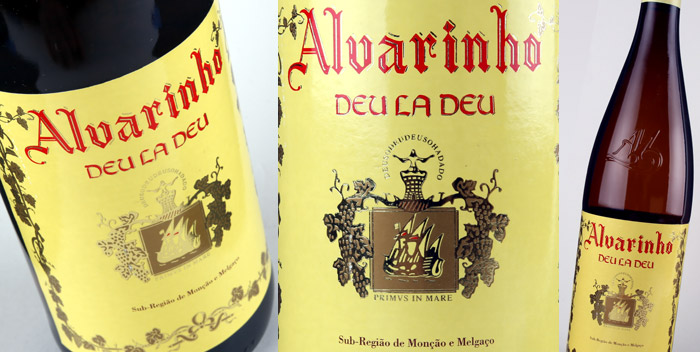
This is one such Vinho Verde that a Vinho Verde elitist might love. It’s made from alvarinho, without any bubbles and it’s damn tasty! OK… I might be becoming one of those snobs.
Lemon, grapefruit, mango and mineral aromas give the wine a vibrant and mesmerizing nose. The palate is also quite vibrant, offering tangy lemon-drenched melon flavors up front with some salty mineral flavors hitting the mid-palate and carrying into the finish. And that finish is exceptionally long. While there’s no fizz, it still has a pleasant mouth feel. But most importantly, it’s just yummy.
Wine: Deu La Deu Alvarinho
Variety: Alvarinho
Vintage: 2011
Alcohol: 13%
Rating: 90
Price: $15.99
Disclosure: This wine was received as a sample.
Find Deu La Deu Alvarinho with Snooth
Apothic Red seems to be one of the most popular bargain wines out there. I constantly hear people rave over it. And so, the Apothic brand has been capitalizing on their success and expanding their line.
Apothic Dark is a special, seasonal release only available for a short time. Based on the label, one has to assume that Halloween is the season they’re targeting. There’s been a Halloween wine trend growing over the past few years. I wrote about another Halloween wine just a few weeks ago.
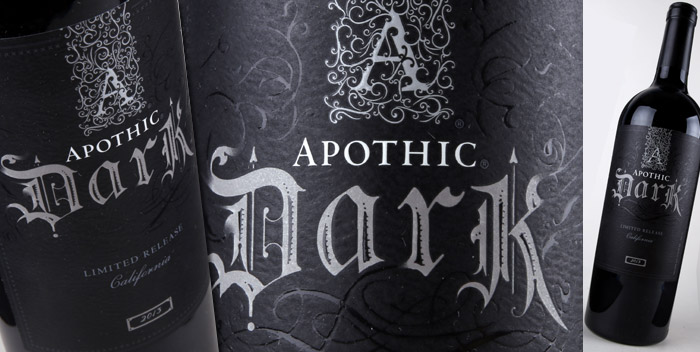
The label of this wine certainly sets the mood to goth. And in a way it conjures up thoughts of a Halloween store in a strip mall or perhaps a tattoo shop. There are things I love about the label, but at the same time it seems rather cliché. For what it is, they did a great job. Even when you cut the foil and get to the cork the dark theme continues with a black cork. Well played, Apothic.
The wine itself is dark… really, really dark, with heavy legs that cling to the glass. Intense chocolate, blueberry, blackberry and cedar aromas give this wine a powerful bouquet. It’s exotically spicy too. On the palate it’s rich, with jammy blackberry, blueberry, plum and chocolate flavors. And when I say it’s jammy, I mean it’s like a spoon full of jam. There’s nothing subtle about the flavors, they are rich. And the mouthfeel has a rich, velvety texture too. It is absolutely over the top. The winemakers clearly crafted this wine for richness. It’s a bit gaudy, but it’s fun. It’s not a refined, elegant wine, but I have a feeling a lot of people will love it. And while it’s not totally my cup of tea, I enjoyed it too.
Wine: Apothic Dark
Variety: Red blend
Vintage: 2013
Alcohol: 13.5%
Rating: 86
Price: $14.00
Disclosure: This wine was received as a sample.
Find Apothic Dark with Snooth
 Prev1...456102030...82Next
  Page 5 of 82