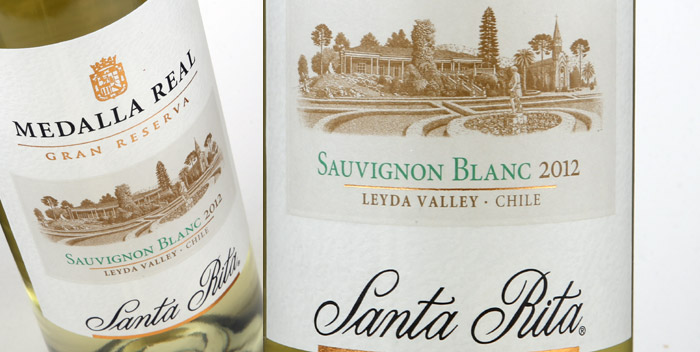
A few weeks ago I reviewed the Santa Rita, Medalla Real Gran Reserva Chardonnay. In that review, I commented that the wine came from the Leyda Valley – which is known more for sauvignon blanc than chardonnay. Well… wouldn’t you know it, Santa Rita also produces a sauvignon blanc from this regaion.
Cool is the story behind this wine. The vineyards are cool, due to their proximity to the coast. The grapes undergo a cold soak before pressing in order to prevent oxidation or phenolic extraction. (I know that sounds super technical and nerdy. These are aroma and flavor compounds that come from the skins and seeds. In some wines the phenols are good, but in an acidic wine like a sauvignon blanc they become too astringent and are undesirable.) The must is also fermented at low temperatures in order to preserve the fruit characteristics in the wine. And the fruit is great in this wine.
And to continue the coolness of this wine you should serve it cool… not cold. Refrigerator temperature is too cold. Take the bottle out of your refrigerator for a half hour before serving, if you can wait that long. Otherwise cup your wine glass in your hands to warm it up slightly and bring out the aromas.
This is a fairly grassy-smelling sauvignon blanc. It also shows some grapefruit, lemon, peach and white pepper aromas. The palate is tangy, offering lemon, grapefruit, peach and salt. It has good acidity and a decent mouthfeel. It finishes fairly long with citrus flavors and a grassy aftertaste.
Wine: Santa Rita, Medalla Real Gran Reserva
Varieties: Sauvignon blanc
Vintage: 2012
Alcohol: 13.5%
Rating: 86
Average price: $16.00
Disclosure: This wine was received as a media sample.
Find Santa Rita, Medalla Real Gran Reserva, Sauvignon Blanc with Snooth
Leese-Fitch is one of the brands produced by “The Other Guys” wine company in California. While I don’t think of them as a big wine producer, I see their wines everywhere I shop so they must be producing a pretty good volume of wine. Some of the other wines they produce include Plungerhead, Pennywise and Hey Mambo.
This cabernet sauvignon is OK. It has good fruit aromas, but could use a little more concentration and depth.
Cherry, raspberry, tobacco and mulberry aromas give this wine a decent nose that’s moderately balanced. In the mouth, tart cherry, mulberry, plum and black tea flavors offer good complexity. It’s a little “thin” for lack of a better word, in other words the flavors aren’t as intense or rich as I expect from a California cabernet sauvignon. It does have a nice mouthfeel though and good acidity. The finish is also pretty good.
Wine: Leese Fitch Cabernet Sauvignon
Varieties: Cabernet sauvignon
Vintage: 2012
Alcohol: 13.5%
Rating: 84
Average price: $12.00
Disclosure: This wine was received as a media sample.
Find Leese Fitch Cabernet Sauvignon with Snooth
Last year I started highlighting some good, yet affordable wines from Bordeaux. Here’s another wine in that category.
This one comes from Château La France, a pretty large estate in the Bordeaux region at 90 hectares (222 acres) with 75 of those planted.
The wine is classified as Bordeaux Supérieur and is made of 60% merlot, 35% malbec and 5% cabernet franc. It’s aged 12 months in oak.
This wine is all about the earthiness for me — but that’s not to say it’s not fruity too. The aromas are dominated by spice, tree bark and cedar aromas, but there’s also some blackberry and currant. The palate offers rich black currant, blackberry and spice flavors. It is a little more bitter than I’d like, but it’s still good. The acidity is good and the mouthfeel is alright. The finish is fairly long and earthy. Overall, it’s a decent, affordable Bordeaux for those who prefer an earthy wine.
Wine: Château La France, Cuvée Gallus
Varieties: 60% merlot, 35% malbec, 5% cabernet franc
Vintage: 2010
Rating: 85
Average price: $15.00
Disclosure: This wine was received as a media sample.
I recently received a bottle of this wine as a media sample and I was intrigued by the story they had to tell along with the wine. They were reaching out to share news about a change they made to the bottle closure.
As consumers, we often don’t give a lot of thought to the cork or other closure that’s used on a bottle of wine. Sure, we notice when a bottle has a screw cap. And when we pull a cork from a bottle of wine we may have some likes and dislikes related to the type of cork used. But we typically don’t consider the closure as a factor when selecting a bottle of wine. Maybe we should.
The most common closure is the natural cork. And while I like the feel of a natural cork, there’s always a risk that a wine sealed with a cork will be flawed due to cork taint. This most frequently comes from a fungus that releases a chemical called trichloroanisole or TCA. When a wine has a lot of TCA it smells horrible, like wet, moldy cardboard. But even trace amounts of TCA can strip a wine of it’s aromas and flavors, making it much less enjoyable. And often, untrained consumers never know a wine has cork taint, they just think it’s bad wine. I’ve been amazed by how frequently I’ve encountered friends that are drinking a tainted wine and don’t even realize it.
So the news from Avalon is that that they are switching to a synthetic closure called “Select Bio” from Nomacorc for their Avalon CAB. In full disclosure, I have a friend who works for Nomacorc, so I’m pretty familiar with their products. One of the key advantages from using a Nomacorc closure is that it eliminates the risk of cork taint, but it goes beyond that.
Nomacorc engineers their closures to specific oxygen transfer specs, which enable the wine to “breath” in the bottle. Winemakers can choose more or less oxygen transfer, based on which closure they use. And it makes a huge difference. I’ve participated in some tastings where the same wine was bottled using different Nomacorc closures with different specs and the impact on the wine can be dramatic. It makes the bottle aging truly become part of the winemaking process. So beyond just avoiding bad flavors entering the wine from a flawed natural cork, winemakers can shape the aromas and flavors in a wine through their closure selection.
Another thing I like about the Nomacorc Select products is that they look and feel like a natural cork. While I understand the advantages of synthetic corks, I don’t like ones that feel like plastic and Nomacorc has eliminated that problem.
All of those are just some of the reasons why Avalon chose to make the switch. The other driver for Avalon is their quest for environmental sustainability. Avalon became accredited as a Certified California Sustainable Winery in 2012 and they saw the use of the Nomacorc Select Bio product as another step in that direction. Select Bio corks are made from renewable plant-based materials, with zero carbon footprint and are recyclable.
All of that is great, but as always I’m more interested in the wine itself. This cab is surprisingly perfumey — and it’s a good surprise. It has intense violet, licorice, vanilla and cherry aromas. It’s really nice. The flavors are also quite nice, bringing super bright cherry and red raspberry flavors up front, evolving into blackberry, spice and cherry. The mouthfeel is nice and the acidity is good. It finishes a little quickly, but it’s pleasant. Overall, this is a nice cabernet for under $15.
Wine: Avalon CAB
Varieties: 76% cabernet sauvignon, 13% syrah, 7% zinfandel, 4% merlot
Vintage: 2012
Alcohol: 13.9%
Rating: 86
Average price: $12.99
Disclosure: This wine was received as a media sample.
Find Avalon CAB with Snooth
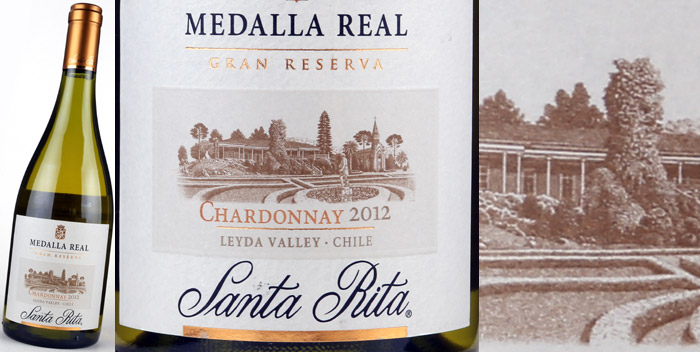
I find it interesting to look at the history of some Chilean wine producers. Some have a long history, but it often appears to be a rather sleepy one. Such is the case for Santa Rita, with a history dating back to 1880, but things really started happening there 100 years later.
Perhaps it’s just the perspective from here in the US, but it seems like Chilean wine producers really found their stride in the 1990’s and 2000’s. Regardless, I’m happy they’re doing what they’re doing now and we have access to their wines.
This chardonnay comes from the Leyda region in Chile, which is more known for sauvignon blanc and pinot noir than for chardonnay. But based on this one, I hope they start producing more chardonnay there!
Toasted almonds, peach pie, lemon and butterscotch aromas give this wine a delightful and interesting nose. The palate is tasty and quite interesting, offering lemon, salty mineral, cooked peach and cooked apple flavors. There’s a touch of creaminess to the mouthfeel. The acidity is good and the finish is moderately long. Overall, this is a pretty good chardonnay.
Wine: Santa Rita, Medalla Real Gran Reserva
Varieties: Chardonnay
Vintage: 2012
Alcohol: 14.5%
Rating: 87
Average price: $14.00
Disclosure: This wine was received as a media sample.
Find Santa Rita, Medalla Real Gran Reserva, Chardonnay with Snooth
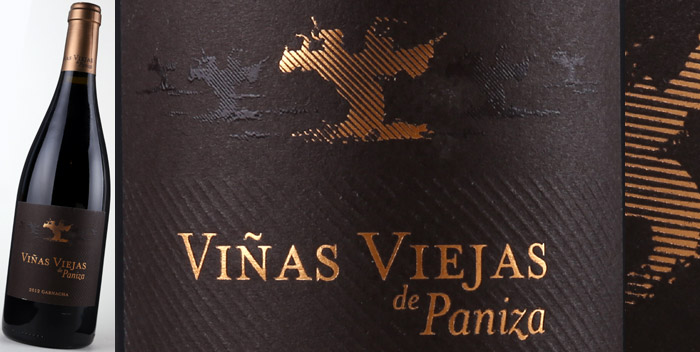
I love garnacha. It’s an easy, affordable, everyday wine that’s often more interesting than other wines in the price range. This one from Bodegas Paniza is a great example of why I think of garnacha in this way.
The vineyards where the grapes for this wine were grown are in Cariñena, the origin of carignan. But this isn’t a post about carignan, it’s about garnacha — and a tasty one.
This wine has a lovely, deep red color. The aromas feature blackberry, cedar, plum and spices with good balance. The palate has plenty of fruit, without becoming a fruit bomb. It offers tart blackberry, plum and blueberry flavors, with good concentration and a touch of spice. This is a pretty “big” garnacha. It has a rich mouthfeel, although it could be a little silkier. The finish is fairly long. Let this one breath for a while and it gets even better.
Wine: Vinas Viejas de Paniza
Varieties: Garnacha
Vintage: 2012
Alcohol: 14%
Rating: 87
Average price: $9.00
Disclosure: This wine was received as a media sample.
Pinot gris is one of those wine varieties that some people love and some people hate. Or perhaps it’s one of those varieties that’s easy to make poorly, lending itself to frequent dislike. But when it’s made right it can be beautifully delicious.
While many US wine consumers may not think of Germany when they think of pinot gris, it’s the 4th most grown white wine variety there. Although it’s often sold under the grauburgunder name versus pinot gris.
The Villa Wolf pinot gris comes from vineyards in Pfalz (Palatinate), Germany — the second largest producing wine region in Germany (after Rheinhessen). It’s also just northeast of the Alsace, France wine region. The wine is produced in stainless steel tanks in order to produce a crisp, fresh and lively wine. It’s part of the Ernst Loosen portfolio of wines, from which you may know the “Dr. Loosen” name.
This pinot gris has one of the most intense mineral noses I’ve every sniffed. It smells like wet river rocks with a splash of lemon/lime. The palate is absolutely beautiful, offering crisp lemon, a touch of pineapple and salty mineral flavors. It’s totally dry. The acidity is outstanding and the mouthfeel nice. It finishes with some crisp citrus and salty mineral flavors.
If you like really crisp, bright white wines with plenty of mineral, this is one you’ll love.
Wine: Villa Wolf
Varieties: Pinot gris
Vintage: 2013
Alcohol: 12.5%
Rating: 90
Average price: $12.00
Disclosure: This wine was received as a media sample.
Find Villa Wolf Pinot Gris with Snooth
Last fall I reviewed a dry riesling from Louis Guntrum that I absolutely loved. It turns out they also make at least one absolutely stellar sweet riesling.
The Louis Guntrum vineyards are located in Rheinhessen, Germany. More specifically, the vineyards are in Nierstein right along the banks of the Rhine. An excellent climate for riesling. And while many American’s might expect riesling to be the most common grape planted in Rheinhessen, it’s actually in a close second place to Müller-Thurgau, which is used to make Rivaner — a wine I come across much less frequently than riesling.
You’ll notice that the wine is labeled as a “Spätlese” which translates to mean “late harvest.” While I love the detailed classifications found on German wines, it can be confusing for an average wine drinker to keep track of what it all means. I know I get confused at times. Spätlese is an indication of the ripeness of the grapes at the time of harvest and means that the grapes are fully ripe. Although they could be riper, in which case it would be classified as Auslese. Spätlese doesn’t necessarily mean the wine is sweet. It can be produced as a sweet wine or a dry wine. In either case, a Spätlese tends to have more intensity to the aromas and flavors than wines made with less ripened grapes, like a Kabinett.
This particular Spätlese is on the sweet side, with 4.5% residual sugar, but that sweetness is well balanced by really vibrant acidity. The nose exudes powerful orange blossom, honey and citrus aromas. And the floral aspect to the nose is incredible! The palate is also beautiful, bringing rich peach, tangerine, lychee, pear, lemon and honey. The complexity is off the charts and yet it’s all harmonious and elegant. The finish is incredibly long, with peach flavors mingling with floral notes that linger for ages. This is a fantastic wine.
Wine: Louis Guntrum Nierstein Rehbach, Riesling Spatlese
Variety: Riesling
Vintage: 2011
Alcohol: 10%
Rating: 92
Price: $21.00
Disclosure: This wine was received as a sample.
Find Louis Guntrum Nierstein Rehbach, Riesling Spatlese with Snooth
Over the past year I’ve reviewed a few different Bordeaux wines, a category that generally isn’t on the list of “cheap” wines. But they do offer some good values and it’s possible to find some tasty ones for under $20.
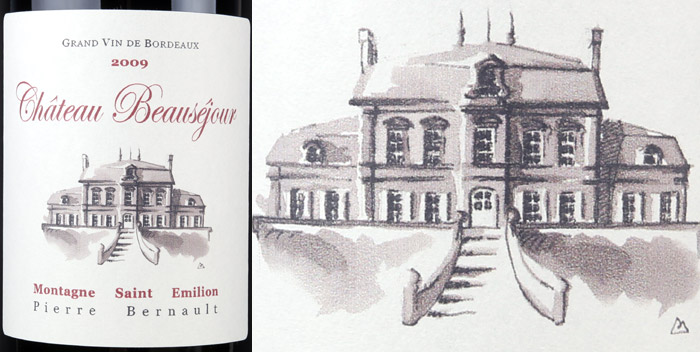
This particular one is a little over the $20 price target. I tasted it without knowing the price and fell I loved it. And although it’s a little more pricey than the typical wines I write about, some shoppers might still consider this one a good value.
This wine comes from Château Beauséjour, on the left bank of Dordogne River, in a small village named Montagne just north of Saint Émilion. The wine is comprised of 75% merlot and 25% cabernet franc.
The nose is loaded with rich and powerful aromas like cherry, tobacco, coffee, leather and blackberry. The flavors are quite rich too, offering dense cherry, black currant, blackberry, chocolate and spice. There’s a ton going on this wine and it’s all balanced and delicious. The mouthfeel is fairly rich too and the acidity is good. The finish is fairly long with lingering spicy berry flavors. This wine is very nice.
Wine: Château Beausejour
Varieties: 75% merlot, 25% cabernet franc
Vintage: 2009
Alcohol: 14.75%
Rating: 91
Average price: $28.00
Disclosure: This wine was received as a media sample.
Find Château Beausejour with Snooth
Garnacha was the first wine I wrote about at Cheap Wine Ratings and continues to be an easy choice for delicious and affordable wine. And Las Rocas was one of the wines that I included in my early reviews, but I haven’t revisited it since then, until now.
This garnacha comes from a co-operative winery in the Catalayud region in Spain called Las Rocas, which translates to “the rocks.” The name comes from the soil in the Catalayud regions, which is covered with rocks. Like many great wine regions, it’s land that has poor nutrients and is difficult to farm, making it useless for most farming but great for wine grapes. The stony soils are also known to capture heat from the sun, which also impacts the development of the grapes.
When it comes to easy, approachable and bargain-priced garnacha, Catalayud is one of my favorite regions. And I’ve often seen Las Rocas garnacha in stores, so they seem to have good distribution.
Toasted oak, tobacco and cinnamon aromas lead the nose of this wine, followed by plum, blackberry and black cherry aromas. The palate brings dusty blackberry, plum and black pepper flavors with fairly-heavy concentration. The mouthfeel has a slightly-velvety texture. The acidity is good. The finish is fairly long and brings some chocolate notes. Overall, this wine is dynamic and delicious.
Wine: Las Rocas, Garnacha
Varieties: Grenache
Vintage: 2012
Alcohol: 14.5%
Rating: 86
Average price: $12.00
Disclosure: This wine was received as a media sample.
Find Las Rocas Garnacha with Snooth
 Prev1...345102030...82Next
  Page 4 of 82