If you’ve been a regular reader of this site for long you probably know that when it comes to sauvignon blanc, Chile is one of our favorite regions for producing great wines at great prices. And the Casablanca Valley is our favorite Sauvignon Blanc region within Chile. So right there, this wine has something going for it before I even crack it open.
It’s also made with organically grown grapes. So there’s another thing going for this wine.
Emiliana produces a number of different lines of wine. Some of them are biodynamic and some are organic. Natura is one of their organic brands. This isn’t the first Natura wine I’ve tasted, I previously reviewed the Emiliana Natura Merlot and it was good. And I’ve previously reviewed the 2008 vintage of the Natura Sauvignon Blanc.
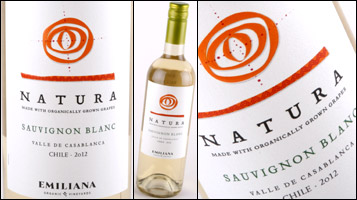
Their sauvignon blanc is not as intensely tropical as many of those I’ve had from Chile in the past few years, but it still shows some tropical characteristics. The nose offers primarily pear aromatics, but also has some pineapple, grapefruit and light cut grass aromas. The palate has good acidity and leads with tart grapefruit flavors, followed by granny smith apples drenched in lime juice. It finishes with more zesty citrus flavors.
Overall, it’s a nice wine. It’s not as mind-blowing as some other Casablanca sauvignon blanc I’ve tasted in the past, but it’s a good wine and a good value.
Wine: Emiliana Natura Sauvignon Blanc
Variety: Sauvignon Blanc
Vintage: 2012
Alcohol: 13%
Rating: 86
Price: $10.00
Disclosure: This wine was received as a media sample.
This is a wine that doesn’t have a lot of back story. It doesn’t come from a small, artisanal family vineyard that’s been passed down from generation to generation. There isn’t a Grove Ridge vineyard that you can visit. It’s produced by the fourth-largest wine producer in the US, Bronco Wine Company.
Bronco Wine Company owns over 45,000 acres of vineyards and produces 60+ brands of wine. Many of the low-cost wines you find in your supermarket come from Bronco.
This isn’t the kind of wine I dream about and long for. It’s not magical, elegant, moving or masterful. But it’s drinkable and a pretty good value for an everyday wine.
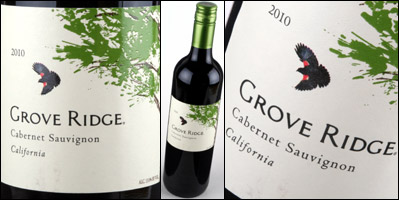
The nose is loaded with spices, like nutmeg and cedar. It also offers some plum and blackberry aromatics. The palate is quite fruit forward, with flavors like plum, blackberry and strawberry. There’s a touch of sweetness to the fruit. The acidity is good and the tannins are light. The finish is relatively short, but pleasant. This is a wine that’s more likely to appeal to average wine drinkers than to wine fanatics or wine geeks.
Wine: Grove Ridge
Variety: Cabernet Sauvignon
Vintage: 2010
Alcohol: 13%
Rating: 85
Price: $10.00
Disclosure: This wine was received as a media sample.
I was scrolling through the posts on this site the other day and I realized that I’ve been neglecting some of our audience. I noticed that the focus of most of my posts was gravitating toward the rare gems, wines that may be a little difficult to track down — but of course very interesting and rewarding. I’ve been writing about the wines that personally interest me the most, but are not necessarily easy for all our readers to find.
It’s an easy trap for me to fall into, as a total wine nerd, but it doesn’t necessarily best serve the mission of this website — which is to help you find great wines at bargain prices. With that mission in mind, I wanted to profile a good wine I tasted that you should be able to find without too much trouble.
Red blends is a category of wines that tend to deliver exceptional QPR (quality/price ratio) these days, particularly if you’re into Californian wines. And this is one of those wines.
Coastal Crush Red from Robert Mondavi Private Selection is a blend of 67% syrah, 24% merlot and 9% malbec. The grapes come from primarily Monterey County, but also from San Benito County, Paso Robles and Valley South. The wine saw 10 months in a combination of French and American oak.
This really is a fun wine and an exceptional value.
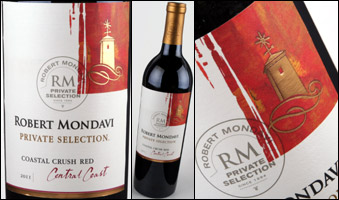
The aromas on this wine are slightly angular, but still interesting and enjoyable. By “angular” I mean that rather than a fully balanced experience this wine has some angles that stand out more and come off rather sharp — hence, angular. It offers plenty of bright red fruit aromas, like strawberry, raspberry and cherry, but also has a touch of nutmeg , cola and chocolate to add some spice. The palate is loaded with fruit flavors, like raspberry, plum and strawberry, which come across as slightly tart and slightly sweet at the same time. By no means would I call this a sweet wine, but there certainly a very noticeable residual sugar (RS). The RS is technically at 8 grams per liter, which is at the high end for a “dry” wine. The mouth feel is good, as is the acidity. The finish is medium in length and highlights tart, red berry flavors.
Wine: Robert Mondavi Private Selection Coastal Crush Red
Variety: Red blend
Vintage: 2011
Alcohol: 13.5%
Rating: 85
Price: $11.00
Disclosure: This wine was received as a media sample.
Find Robert Mondavi Private Selection Coastal Crush Red with Snooth
Some wine producers believe that music is good for the vines and helps to create better wine. DeMorgenzon in Stellenbosch, South Africa is one of those believers. They play baroque music 24 hours a day in their vineyards. They do so to, as they say, “positively influence the ripening process.”
I don’t know if it’s the music or something else, but the makers of this wine got something right.
The producers, Wendy and Hylton Appelbaum who bought the estate in 2003, used climate science and data to select the ideal locations in their property for each variety of grape they grow, rootstock, spacing, direction, etc. They also employ sustainable practices in their vineyards.
Whether it’s the music, the science, the agriculture, the winemaking or something else, they got something right. They made some delicious syrah.
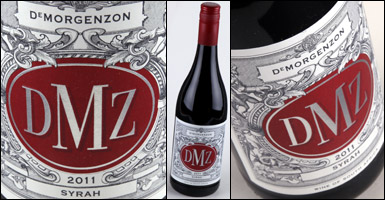
The nose is nicely spiced with nutmeg and leather aromatics layered over red raspberry, salami and licorice. The palate brings bright red fruit flavors, such as raspberry, cherry and plum. The acidity is spot on and the tannins add just enough texture to make this wine smooth. It has a touch of spicy kick to it too, particularly moving into the peppery finish. This is a very tasty and fun syrah.
Wine: DeMorgenzon DMZ Syrah
Variety: Syrah
Vintage: 2011
Alcohol: 14.5%
Rating: 88
Price: $14.00
Disclosure: This wine was received as a media sample.
Find DeMorgenzon DMZ Syrah with Snooth
Several years ago I tried my first pinotage, which was some cheap bottle I picked up on a whim. It was horrible and for years after that I avoided pinotage. I supposed I rushed to judgement — it wasn’t pinotage that was bad, it was just that wine.
I got it wrong back then. Way wrong. I not only banished pinotage from my wine selections, but I avoided South African wines altogether. I have no idea why I cast such a wide net with my judgement. I guess I was young and I’m a pretty judgmental kind of guy.
But I’ve seen the light now. I have become a fan of South African wines and a fan of pinotage. And since I was already a fan of rosé, this Pinotage Rosé from Kanonkop had me intrigued — and it didn’t disappoint.

Orange blossom, black pepper, lime and mineral aromatics give this wine a fascinating nose. On the palate it offers lime, cranberry and light raspberry flavors. The acidity is good. It finishes with cranberry, black pepper and mineral notes. This is what a rosé should be.
It’s a tasty wine and at $13 it’s a great value! Also check out the Kanonkop Kadette Red Blend.
Wine: Kanonkop Kadette Pinotage Rosé
Variety: Pinotage
Vintage: 2012
Alcohol: 13.5%
Rating: 88
Price: $13.00
Find Kanonkop Kadette Pinotage Rosé with Snooth
Disclosure: This wine was received as a sample.
At times it seems silly to me, how “into” wine many of us become. And I’m just as guilty as anyone. We study it, explore it, taste it, analyze it, debate it, praise it, criticize it, discover it, discuss it, write about it, share it, hoard it, celebrate it, and sometimes we just drink it — and that’s when I enjoy it the most.
But why do we make such a fuss about wine? For me, that fuss is all about enjoying it more. Wine is more than a beverage, it’s an experience. Even simple things like pulling the cork from a bottle of wine or reading the label are part of the experience and add to the enjoyment.
Understanding perfect food pairings, knowing stories about the winemaker or the history of a wine can further enhance the experience.
Sometimes wines become connected to personal experiences and pouring a glass brings back the memories of people, places and events. It could be that a wine reminds you of a special occasion, a trip, a celebration or just time spent with good friends & family. That’s when wine becomes the most meaningful to me. And that’s where my thoughts are as I sit down to write about a wine called grillo.
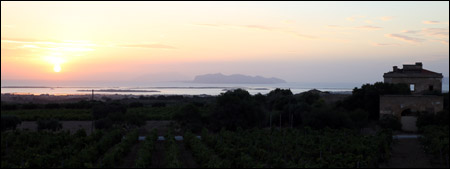
Visiting Western Sicily
I recently visited the Marsala and Menfi wine regions in Western Sicily, where I was introduced to grillo and where it became special to me. In full disclosure, my trip was sponsored and organized by Regione Siciliana – Istituto Regionale Vini e Oli in collaboration with Fermenti Digitali / Proposta.
Istituto Regionale Vini e Oli is an organization in Sicily responsible for research, training and data collection to improve the quality of Sicilian wines and olive oil. Promotion of Sicilian wine and olive oil is also part of their charter, which is why they invited me and a number of other wine bloggers to visit the region.
This institute is a true asset to Sicilian wine producers. They collaborate with winemakers and universities to study the effects of different methods in vineyards and wineries, experiment with native grape varieties and transfer their findings to producers in the region. They are the only organization to do all that they do in all of Italy.
Getting to Know Grillo
Getting back to grillo… I can’t recreate for you the same experiences I’ve had with grillo. If I were a better writer, perhaps, but it still wouldn’t be the same as living the experience yourself. But I will try to give you a better sense of what this wine is all about and the place where it thrives.
I’ve noticed a trend in recent years where more and more wine consumers want to discover something unique. They’re more adventurous. They’re curious. They want to try wines that stand out and are connected to a specific place. Native varieties are sought out as wine lovers look for something more than the typical wine varieties they see on the shelves. Grillo is a grape that delivers what these consumers are seeking.
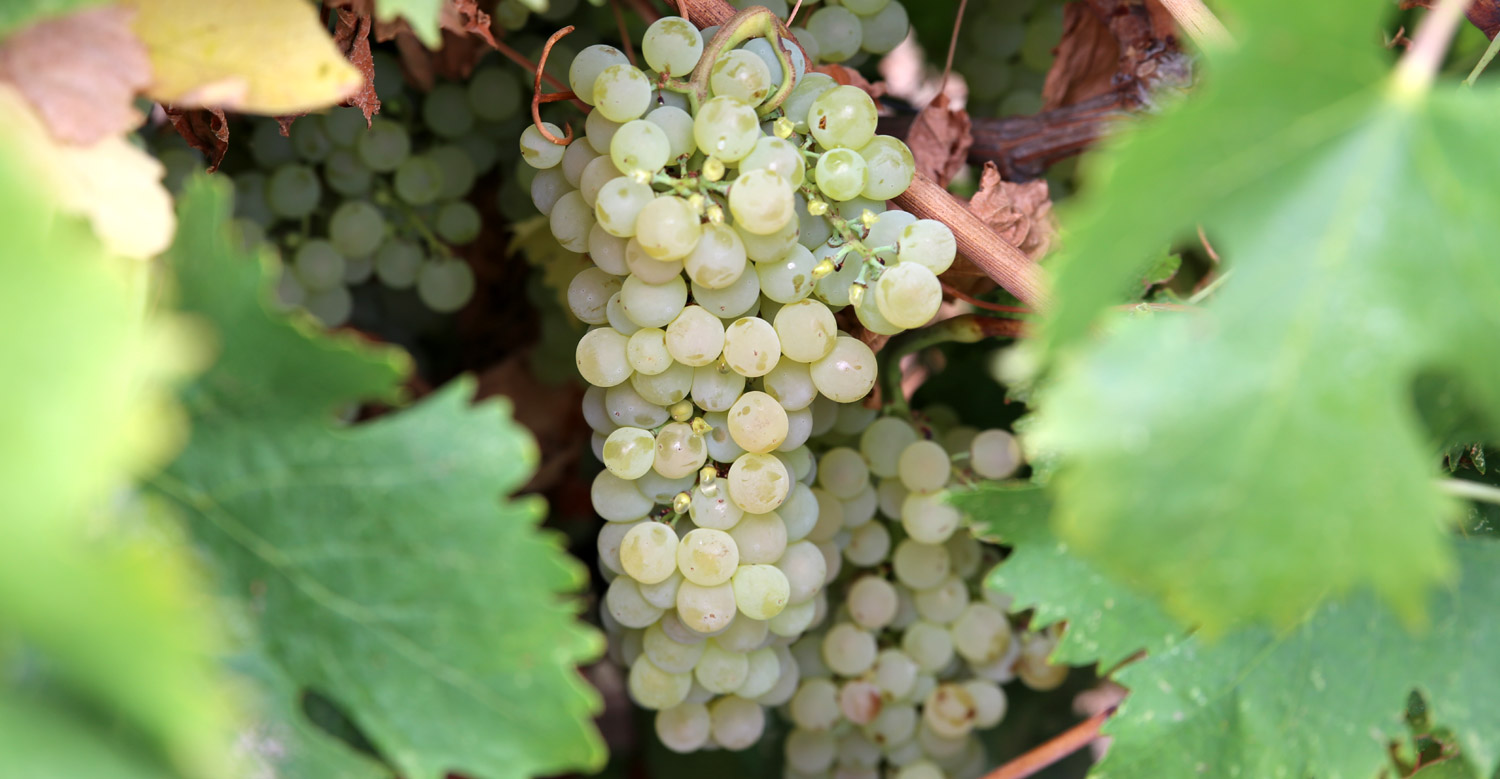
Grillo is believed to be a cross of catarratto and zibibbo — two other grapes common in Sicily. It’s a white grape that tolerates the hot Sicilian climate well and reveals a few different personalities in wine produced by it. Sometimes tropical fruit qualities are very prominent, other times it shows more mineral or citrus characteristics and often it’s somewhere in between.
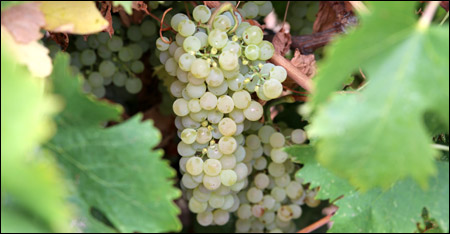
Through the research done by Istituto Regionale Vini e Oli it’s been discovered that there are actually two different “biotypes” of grillo.
- Biotype A has high productivity with lower sugar, lower pH and higher acidity. Wine produced from biotype A tends to have vegetal and citrus characteristics.
- Biotype B has lower productivity with higher sugar, higher pH and lower acidity. Wine produced from biotype B tends to have better structure along with tropical fruit and spice characteristics.
While I found the information about biotypes to be interesting, most producers in the region don’t yet know which biotypes they are growing and using in their wines.
Grillo and Marsala
My visit to West Sicily centered around Marsala, which is a city, a wine region and the name of a type of fortified wine (similar to Madeira) produced in the region. I would venture to guess that most wine consumers in the US would think of Marsala only as a cooking wine, but that is a sad misconception. I’ll explain Marsala wine (the fortified type) in greater detail in a future post, but I bring it up to clarify the type of wine I’m focused on today.
Grillo is the most important grape used in making Marsala wine. It’s used in all Marsala wine and I know of at least one producer, Marco De Bartoli, that uses only grillo in their Marsala. But while grillo is used extensively for making fortified Marsala wine, its use to produce unfortified vintage wines is also growing in popularity. And those are the wines that made me fall in love with grillo.
Made into vintage wines, grillo offers bright citrus and tropical fruit flavors, vibrant acidity, refreshing aromatics and salty mineral characteristics — the things I love in a good white wine. It’s most often produced in stainless, but some winemakers are putting it into oak, which also impacts how it shows up in your glass.
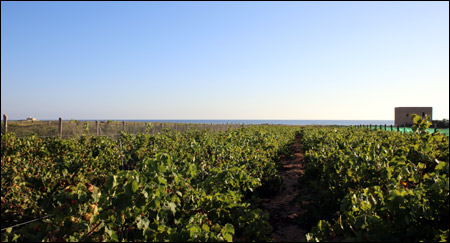
Grillo by the Sea
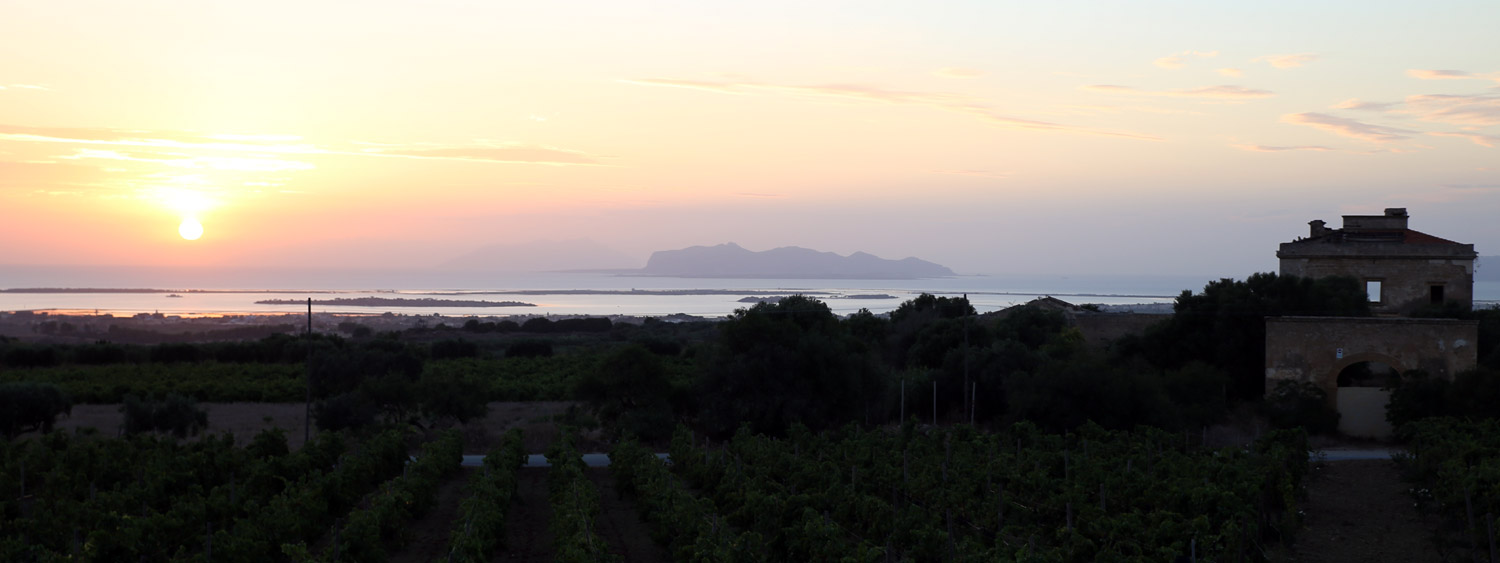
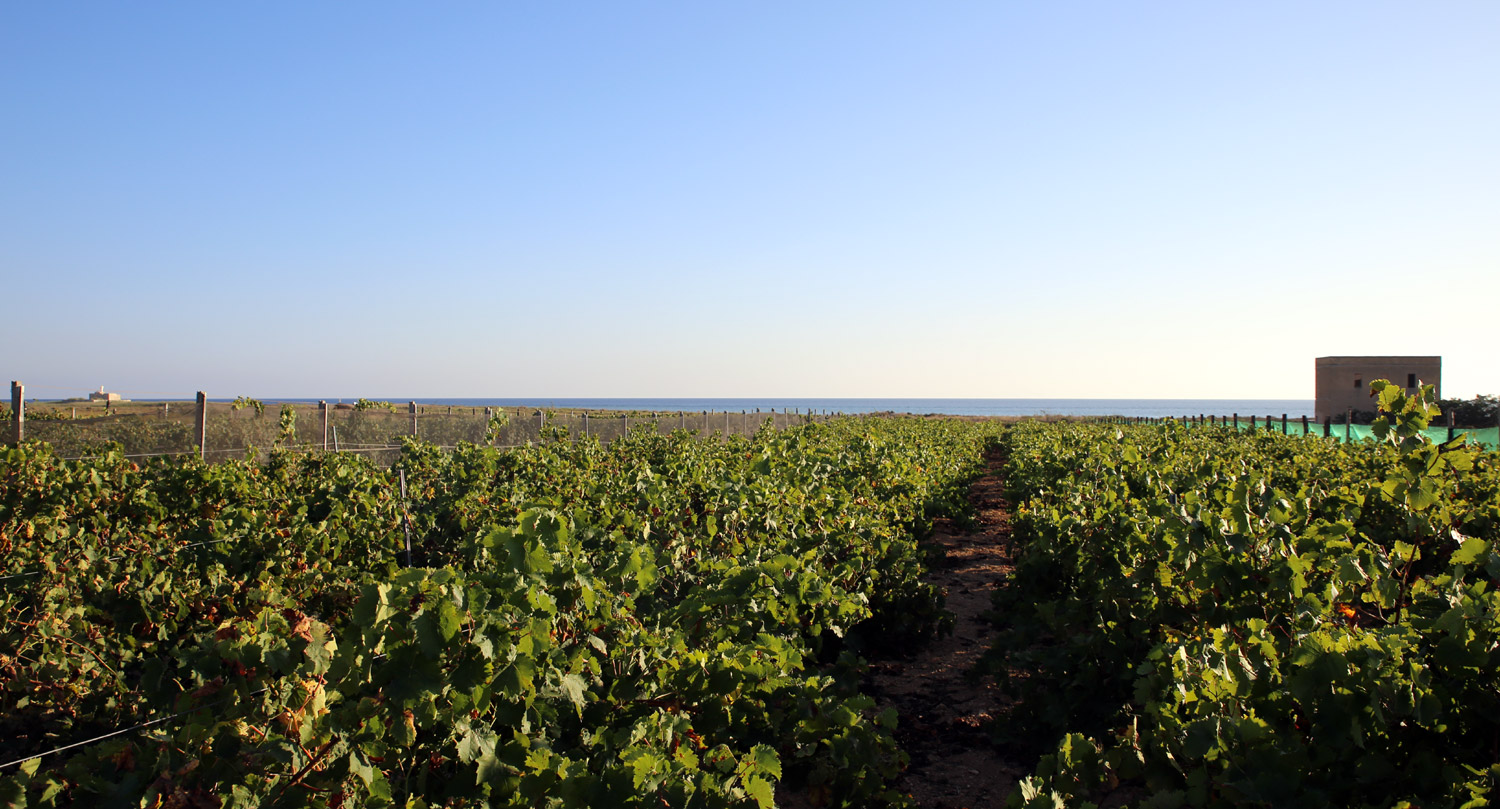
During this trip we visited Barraco’s Vignammare, which translates as “vineyard at the sea.” And that’s exactly what this vineyard is. It literally sits on the beach, only a short walk from the water. We took a long, slow journey down a bumpy dirt road in rural Sicily to reach this vineyard. The sun is bright here but the breezes from the sea cooled the sun’s heat slightly. Cloth wind barriers protect the vines from the perpetual breeze. The air is salty and refreshing, and the soil sandy and calcareous. A few small sand dunes and beach grasses are all that separate this vineyard from the sea.
There we tasted Barraco’s Vignammare wine, made with grillo from that vineyard, and observed how the aromatics of the wine mirror the aromas of the breeze blowing in from the sea. This is something I’ve observed in other wine regions too, most notably in the aromatic vineyards around Mt. Etna.
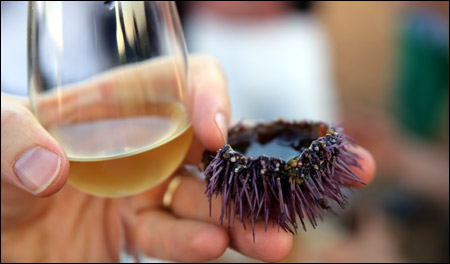
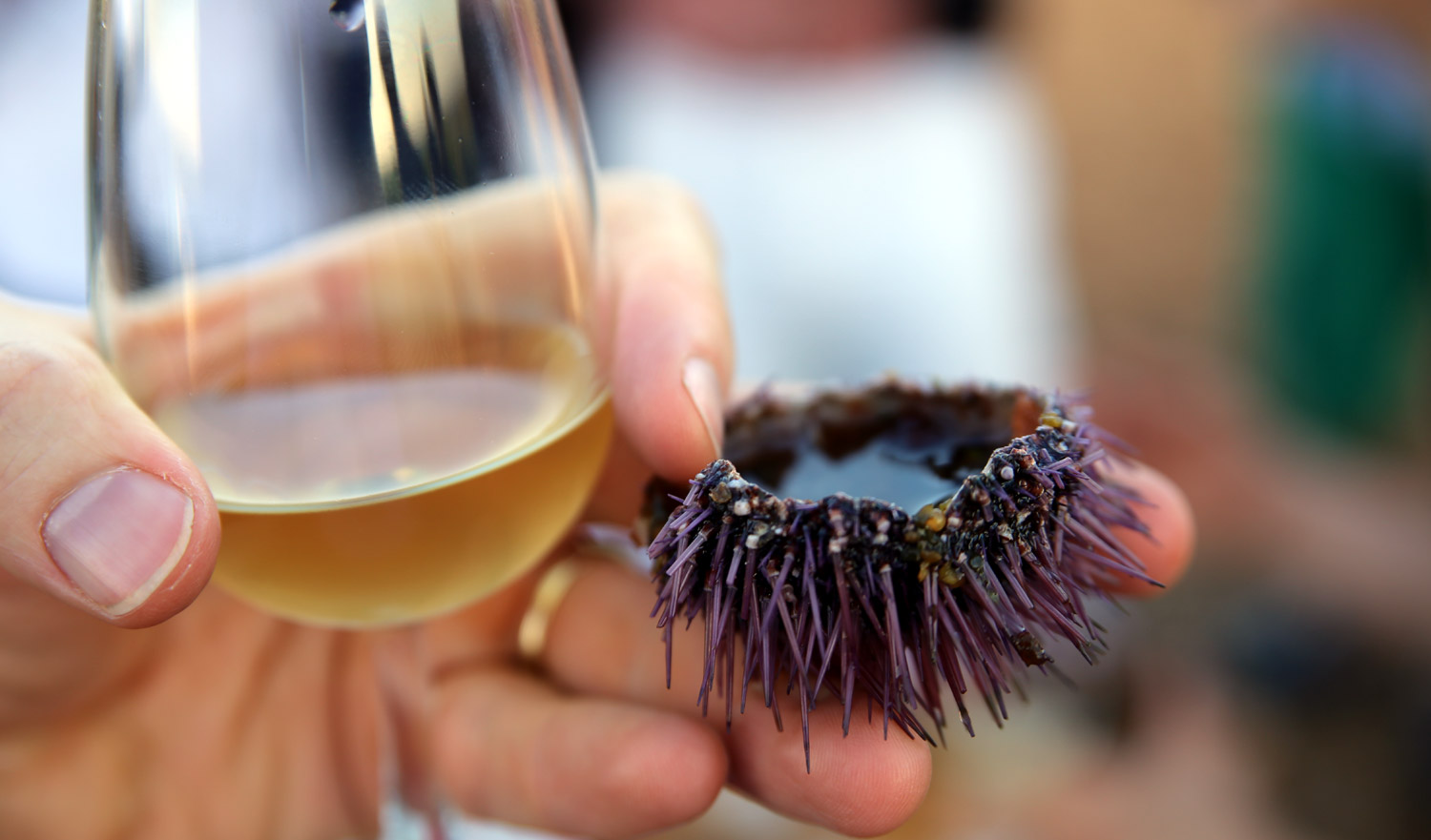
Along with tasting the wine at Vignammare, we enjoyed some fresh red shrimp and sea urchins. And this is when I had an “aha moment” that truly connected me with this wine. The wine is a reflection of the environment where it was produced, and that is no exception in this wine. The food of a region is also a reflection of the environment and when you put the two together it is harmonious. When tasting grillo along with the local Sicilian cuisine it’s not just a nice pairing, but a symbiotic pairing — each making the other one better.
While we only had local shrimp and sea urchins while tasting the wine at Vignammare, I realized then that the pairing of grillo with much of the other Sicilian food I had during that visit was also perfect. Caponata, eggplant Parmesan, octopus salad, fresh fish, pasta, olives, cheeses, and other local foods all go spectacularly well with this wine. It’s an incredibly food-friendly wine to begin with, but the food from this region goes particularly well with grillo.
While not all vineyards in the region are right by the sea, the region in general is a coastal region. And the grillo from throughout the region all does well with the food from the area.
Recommendations
Finding grillo in the US may require a little hunting. But if you’re up to the challenge, here are some you may want to seek out and try (in no particular order).
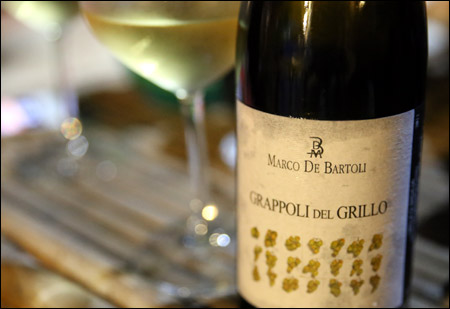
Marco De Bartoli, Grappoli del Grillo 2011
Marco De Bartoli doesn’t use any chemicals in the vineyard, hand harvests the grapes and processes them at controlled cold temperatures to create a quality wine. This grillo is fermented in steel, finished in partial oak and aged in oak. It offers straw, baked apple, oak and nutty aromatics. In the mouth it’s an exotic wine with a creamy mouthfeel, rich lemon and tea-like flavors and outstanding mineral characteristics. The finish is long and rich. This is a very good wine and one that I tasted at least once every day I was in Sicily.
Funaro, Pinzeri
The vineyards for this wine are certified organic and are a bit inland, near the temple of Segesta. It was produced in 100% stainless and is a great example of a citrus-mineral style grillo. The nose of this one presents zesty citrus aromas along with some peach and apple. On the palate, concentrated lemon flavors give vibrancy to this wine. It also has some apple and salty mineral flavors. It has a very nice mouthfeel too with a creamy, almost oily texture. It finishes with salted citrus flavors. This is a great wine for seafood.
Cristo di Campobello, Lalûci 2012
The nose of this wine is gentle and refreshing with herbaceous aromas along with almond and apple. The mouthfeel is also gentle. This wine is a bit more on the salty/mineral side of the spectrum but also offers some crisp green apple flavors.
Fazio, Aegades 2012
This wine is an Erice DOC wine in terms of territory. It’s fermented in stainless under controlled cold temperatures. This one shows apple, mineral, straw and citrus aromatics while the flavors are really bright lemon/lime along with salty mineral. This is a really crisp and vibrant wine.
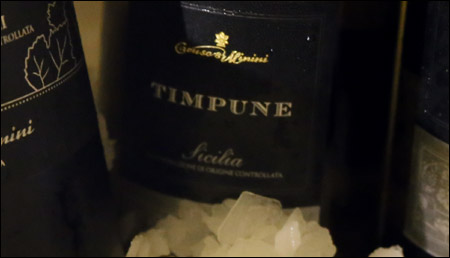
Caruso & Minini, Timpune 2012
Fermented in oak under controlled cold temperatures and aged in stainless on the lees, this wine has a lot of depth. The aromatics reveal light oak, apple, herbs and mineral. The palate brings concentrated, lemon-drenched apple flavors along with some peach. It has good acidity and a creamy, luxurious mouthfeel. It finishes with lingering lemon flavors. It’s delicious!
Barraco, Grillo 2011
This is the most unique grillo we tasted on this visit to Sicily, and perhaps the most controversial. It’s produced by Nino Barraco, a winemaker who employs “natural” (for lack of a better word) techniques in winemaking. His approach is to use spontaneous yeasts, no temperature control, no filtering, sulfur only added at bottling and minimal involvement from the winemaker in order to allow the wine to best express itself. The result is a wine with intense aromatics such as cooked peaches, hazelnut, coriander, herbs and a slight oxidation. The palate offers intense hazelnut, cooked peach, apricot, spices and fresh lemon flavors. The long finish has flavors of cooked stone fruits. It’s funky and different, but enjoyable. It’s not for everyone but those who do like it will love it.
Fondo Antico, Il Coro 2011
Fermented in stainless and aged in oak, this is a very tasty grillo. It has intense lemon, floral, nutty and mineral aromatics. The flavors are very concentrated and balanced lemon, fresh apple and salts. There’s a lot of depth and character to this wine. The acidity is good and the mouthfeel is nice and creamy. It has a very long finish with mellow lemon and salty mineral characteristics. This is a very good grillo.
Donnafugata, Sur Sur 2012
Donnafugata is a pretty big producer in Western Sicily, but this vintage is their first release of a single-varietal grillo. It’s soft on the nose with salty-citrus aromas. The palate continues that theme with soft lemon, light apple and salty mineral flavors. This is a fairly simple grillo, but it’s very approachable and very drinkable. It’s an easy wine for salads or seafood.
Alessandro di Camporeale, Grillo Vigna di Mandranova 2012
This is the first vintage of this wine from Alessandro di Camporeale after three experimental harvests. This is a tasty wine with vibrant peach and citrus aromas. The flavors are like peaches drenched in grapefruit and lemon. The acidity is superb.
Curatolo Arini, Coralto Grillo 2012
The producers of this wine have been producing Marsala for five generations. Their Coralto Grillo has a refreshing nose with pear and lemon aromatics. The palate brings lemon and green apple flavors with a vibrant acidity. The finish is long with delicious lingering citrus flavors. Try this one with grilled swordfish.
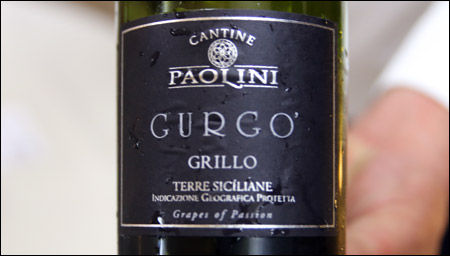
Cantine Paolini, Gurgo’ Grillo 2012
The grapes for this wine are grown at sea level and they are all hand harvested. There’s a lot going on in this wine. The nose offers a broad range of lemon, melon, tea, spice and salty mineral aromatics that are well balanced. The nose hints that the wine had good skin contact during fermentation, although I didn’t get confirmation of that. It has intense lemon and mineral flavors on the palate with stellar acidity and great structure. The finish is long with a slightly tannic feel. This wine is fantastic.
Tenuta Gorghi Tondi, Kheirè Grillo 2012
This one was produced in stainless and is a great example of a tropical fruit style grillo. It has lively aromatics, such as passion fruit, cut grass, banana and citrus. Aromatically you might liken this to a sauvignon blanc but the flavors are much more restrained than what you’d find on a typical sauvignon blanc. It has fantastic acidity with soft, tart apple and salty flavors. The finish is long and tart. Overall, it’s an excellent wine.
Disclosure: I tasted these wines as a part of a sponsored blogger tour of the Western Sicily, organized by Regione Siciliana – Istituto Regionale Vini e Oli in collaboration with Fermenti Digitali / Proposta. My travel and accommodations were provided by the sponsor.
A couple weeks ago, I had highlighted a couple wines from Franciscan Estate in Napa Valley thar had impressed me. And I have yet one more to share today.
This one is a white blend made of 72% Sauvignon Blanc, 17% Chardonnay and 11% Muscat. You may know of Muscat from Moscato, which is a form of wine made from the Muscat grape and has become wildly popular over the past few years. Muscat comes in many different sub-types (if that’s the right word — I’m not a botanist), tends to be a little bit sweeter and is often used in dessert wines. But this blend from Franciscan Estates is not a sweet one. Muscat also tends to be a very aromatic wine, offering intense fruity and sometimes floral aromatics.
The thing I like about Equilibrium is, well… everything! The name is perfect for this wine, as it has everything I want from a white wine and all of those things are perfectly balanced — in equilibrium.
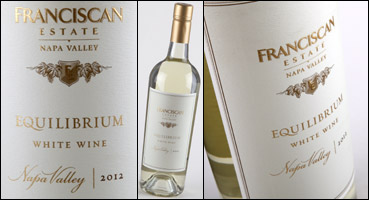
This wine is delightfully aromatic, offering powerful and balanced fragrances such as peach, grapefruit, honeysuckle, melon and pear. The palate is also superb, with a nice mouthfeel, crisp acidity and flavors like pear, melon, peach and citrus. The fruit is abundant and elegantly harmonious. The finish shows long peach and pear flavors. This is a fantastic wine.
The suggested retail price is a touch higher than the $20 I typically target, but it’s good enought to warrant a splurge every now and then.
Wine: Franciscan Estate Equilibrium White Blend
Variety: Sauvignon Blanc
Vintage: 2012
Alcohol: 12.5%
Rating: 91
Price: $23.00
Disclosure: This wine was received as a media sample.
Find Franciscan Estate Equilibrium White Blend with Snooth
I occasionally like to revisit a wine that I’ve reviewed in the past. Finding consistency from a producer is a good sign and something I seek out. I previously reviewed the prior vintage of this wine and it was good. And I was pleased to find the sam true of this vintage.
This wine comes from the Carneros appellation, which is part of both Napa and Sonoma. Given the Sonoma County reference on the label, I’m assuming the grapes for this wine all come from the Sonoma part of Carneros.
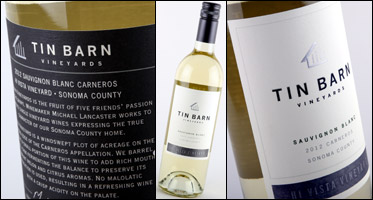
Flint, floral, melon, and pear aromatics give this wine a cool, crisp and pleasant nose. Citrus flavors come out on the palate, such as grapefruit and lemon. It also offers some pear and apple flavors. The acidity is good, as is the finish where I found melon, citrus and mineral flavors. This isn’t an over-the-top tropical sauvignon blanc, it’s more subtle than that. But it’s well balanced, elegant and enjoyable for which I give it a thumb’s up.
Wine: Tin Barn Vineyards Hi Vista Vineyard – Carneros
Variety: Sauvignon Blanc
Vintage: 2012
Alcohol: 13.7%
Rating: 86
Price: $18.00
Disclosure: This wine was received as a media sample.
Find Tin Barn Vineyards Hi Vista Vineyard – Carneros Sauvignon Blanc with Snooth
The heat outside continues, and so the Vinho Verde must continue to flow!
Last night I reviewed a still (non-sparkling) Vinho Verde and mentioned that Vinho Verde comes in a number of different styles. Tonight, I check out another of those styles — a rosé Vinho Verde.
I don’t really have any background on this producer, so let’s just get to thoughts on the wine. After all, that’s what matters most anyway.

There’s a prominent floral note on the nose that’s rose-like. It also offers some raspberry and cranberry aromas. The palate is slightly frizzante with good acidity and flavors such as citrus, apple, cranberry and light red plum. The finish is somewhat short, but good with citrus and wet stone flavors.
Besides the tasty flavors and the exceptional bargain price, one of the things I like about Vinho Verde like this is that the alcohol level is relatively low. This one is only 10% ABV. That means you can have a few more sips before you’ve had “too much.” My goal when drinking a wine is to relax and enjoy it — not to get wasted. While some wines with lower alcohol levels taste thin or out of balance, that’s not a problem here. And if a wine has low alcohol and still tastes balanced and delicious I’m in!
Wine: Hera Rosé
Variety: Vinho Verde
Vintage: 2011
Alcohol: 10%
Rating: 85
Price: $7.99
Disclosure: This wine was received as a media sample.
Find Hera Rosé Vinho Verde with Snooth
Vinho Verde is meant to be consumed young. In fact, “young wine” is the translation of what the name Vinho Verde means. This particular bottle I had in the rack is a 2010, which is pretty old for a Vinho Verde. It’s technically past it’s prime and if it had sucked I would have given it a pass and blamed it on being too old. But to my pleasant surprise, this was still a tasty wine and so I’ll move forward with a review. Of course, you’re likely to find a more recent vintage on the shelves today.
This wine is produced by Aveleda, which has a history in wine dating back to 1870. They produce a number of different Vinho Verde wines, but most are sold under the Aveleda brand versus Grinalda.
Most of the Vinho Verde I come across in the US has a slight bubble, prickle or frizzante to it. There’s no frizannte on this one. It’s a still wine, showing one of the many styles Vinho Verde can have.
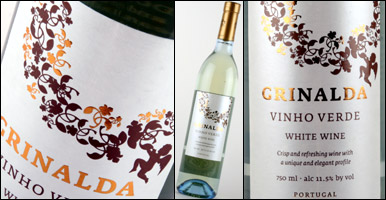
There’s an orange blossom aroma on the nose of this wine that is quite nice. It also offers aromas of melon and pear. The palate is crisp with lime, pear and a touch of peach flavors. The finish is relatively long and tart, with citrus, peach and mineral flavors. Overall, it’s a very nice wine. And per usual with Vinho Verde, it’s an exceptional value.
Wine: Grinalda
Variety: Vinho Verde
Vintage: 2010
Alcohol: 11.5%
Rating: 88
Price: $12.00
Disclosure: This wine was received as a media sample.
Find Grinalda Vinho Verde with Snooth

 Prev
Prev