In my last review, I revisited a wine brand that used to be a regular for me (back when I was in my twenties), Bolla. It’s a brand that offers plenty of decent wines at bargain prices, but for whatever reason it’s also a brand that I haven’t given a lot of love in the past few years. But I’ve rediscovered it and so today I’m trying another of their wines, this time a Prosecco.
When it comes to bubbly, Prosecco is a great option for the budget-conscious. Although it’s made with a different process than “traditional method” sparklers, which can result in Prosecco being a little less bubbly than you might prefer. I didn’t have that problem at all with this one from Bolla, it had plenty of bubbles.
This one is also an “Extra Dry” which has a touch more residual sugar than a Brut would, but it’s still a dry wine and I suspect most average wine consumers couldn’t taste the difference between an Extra Dry and a Brut. They are both dry wines.
Well-balanced melon, pear, lemon and wet stone aromas give this wine a very pleasant nose. Simply put, smelling this wine makes you want to taste it. And the taste of it doesn’t disappoint, offering crisp lemon-drizzled green apple flavors, along with some pear flavors. It’s light, vibrant and has a creamy-bubbly feel in the mouth. Tart apple flavors linger on the finish. This prosecco is a tasty bargain-priced sparkler.
Wine: Bolla Extra Dry Prosecco
Variety: Glera
Vintage: Non-vintage
Alcohol: 11%
Rating: 86
Price: $12.00
Disclosure: This wine was received as a sample.
Find Bolla Extra Dry Prosecco with Snooth
In my early days of wine discovery, Bolla was one of my “go to” brands. I was young and didn’t have a big wine budget, and Bolla offered some wines that were good for a bargain hunter like me. And while I don’t drink Bolla very often these days, I still have a nostalgic appreciation for the brand.
It’s funny how our perceptions change over time. When I was younger, I thought that Bolla was exotic and sophisticated, but now I often overlook it feeling that I’ve graduated to better or “more refined” wines. I’ve become an elitist wine snob and for some reason developed a prejudice against Bolla.
But every now and then, I’ll taste a Bolla wine and I’m reminded about why I liked them when I was younger. I realize that my prejudice is totally unfounded. I realize that I should still love Bolla, not because of nostalgia from my younger years, but because they still make some pretty good wine that’s great for a bargain hunter like me!
This is one of those wines that reminded me to not discredit Bolla. This is a wine that kicks ass!
It’s made from a blend of 65% corvina and 35% cabernet sauvignon from the Verona region in Italy. And in addition to being an awesome wine, the bottle I have came with a super cool lion head coin on a necklace that looks like something a gladiator would wear. It matches the design on the label. I wear it around the house and my wife laughs at how silly I look. I don’t know if this often adorns these bottles or if I just got lucky.
This wine is powerful all the way around. The nose has intense chocolate, black cherry, blackberry, toasted oak and leather aromas. The high alcohol level (15%) also makes the alcohol vapors come through rather strong on the nose, which is the only real downside. The wine is gigantic in the mouth, with powerful black cherry, plum, blackberry and chocolate flavors. There’s a touch of spice too. It has awesome acidity and the mouthfeel is good. Lingering berry and spice flavors provide a lengthy finish. It’s big and bold, but it’s also a touch obtuse — yet it’s still a very tasty wine.
Wine: Bolla Creso
Variety: 65% corvina and 35% cabernet sauvignon
Vintage: 2010
Alcohol: 15%
Rating: 89
Price: $20.00
Disclosure: This wine was received as a sample.
Find Bolla Creso with Snooth
Summertime is fast approaching and bringing warmer weather. And when it comes to enjoying wine in the summer, I love crisp, tropical whites like sauvignon blanc.
Like many wines, sauvignon blanc can vary depending on where it’s grown and the vinification techniques. But most people I know who enjoy sauvignon blanc like it to be filled with intense citrus and other tropical fruit flavors with crisp acidity. And New Zealand sauvignon blanc is one of the best options for this style.
In addition to having plenty of tropical fruit flavors and aromas, there’s often a green or “vegetal” characteristic to sauvignon blanc that can be described as grassy or sometime green pepper-like. New Zealand sauvignon blanc is particularly known for this quality.
The Brancott Estate Marlborough sauvignon blanc is a great example at a decent price. In this case, I’d characterize the green aromas as falling mostly into the green pepper camp. And when you combine that with the fruit, you might say this wine smells like a green pepper filled with peaches. It also shows some lemon, wet stone and grass aromas. It’s intense, cool and enjoyable. The flavors are good too, offering peach, grapefruit and lemon up front and then some green pepper flavors show up on the finish. I know it sounds like it could be gross, but it’s not. The green pepper flavors are subtle enough to add some character without overpowering the fresh fruitiness. The acidity is great on this wine, giving it a crispness and liveliness. And the finish is good too.
Overall, it’s good.
Wine: Brancott Estate Sauvignon Blanc
Variety: Syrah, zinfandel, merlot, malbec and sangiovese
Vintage: 2011
Alcohol: 12.5%
Rating: 86
Price: $15.00
Disclosure: This wine was received as a sample.
Find Brancott Estate Sauvignon Blanc with Snooth
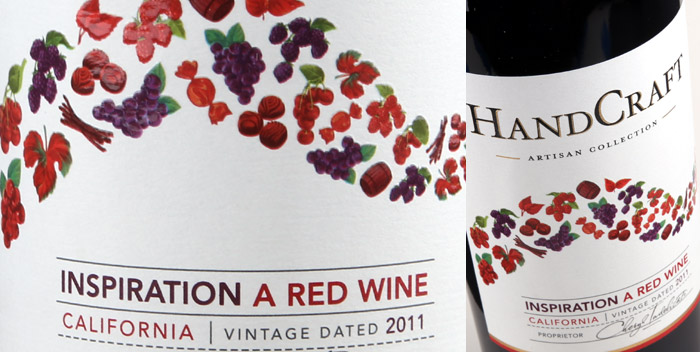
I’ve been saying for the last few years that red blends are where it’s at when it comes to getting rich, flavorful wines at bargain prices. And the number of California red blends on the market has been exploding recently. This is a relatively new one from Handcraft Wines.
Although you don’t see it mentioned prominently, Handcraft is one of the brands owned by DFV Wines. They also produce a number of other brands you may be familiar with, like Gnarly Head, Bota Box, Irony, Brazin, Twisted, and others.
The Handcraft brand was created by Cheryl Indelicato, who is part of the family that owns DFV Wines. Her idea for Handcraft was to produce Californian wines small amounts of Italian grape varieties mixed in to make them unique. This one is made from a blend of syrah, zinfandel, merlot, malbec and sangiovese (the Italian grape included in this blend). Alicia Ysais is the winemaker for the brand.
In addition to the wine being yummy, I like the label design. They include a ribbon of small fruit and spice images which represent the flavors found in each wine. So you can look at a bottle of any Handcraft wine and you’ll have an idea of what to expect from it.
Similar to many other DFV wines that I’ve tasted, there’s nothing subtle about the spice aromatics. It shows loads of intense nutmeg and chocolate and it also has plenty of fruit with aromas like blackberry, currant and plum. The intensity continues on the palate, which offers well-concentrated cherry, currant, blackberry and chocolate flavors. There’s some residual sugar adding some sweetness to the fruit, although I wouldn’t call it a “sweet wine” it is definitely still dry. It’s a bit spicy on the palate too. The acidity is good. Overall, it’s a fun and easy wine to drink.
Wine: Handcraft Inspiration Red Wine
Variety: Syrah, zinfandel, merlot, malbec and sangiovese
Vintage: 2011
Alcohol: 13.5%
Rating: 88
Price: $12.00
Disclosure: This wine was received as a sample.
Find Handcraft Inspiration Red Wine with Snooth
For a guy who is not that into chardonnay, I’ve found myself writing about a lot of chardonnay lately. It’s not that I have anything against it, it’s just that exciting to me as a wine varietal. But I’ve had some good chardonnay, some great chardonnay and some bad chardonnay over the years. This one falls into the good category.
This wine comes from R8 Wine Co in Sonoma, California. Affordability without sacrificing quality is one of their tenets to winemaking, which is one that I can get behind. They also produce their wine in relatively small batches, they only made 777 cases of this chardonnay.
They source the grapes from California growers, but it doesn’t have a specific appellation attribution. I wouldn’t consider this to be a fancy wine, but it’s a pleasant little bargain.
Melon, pear, banana and straw aromas give this wine an enjoyable nose. The palate brings pear, apple and melon flavors with good balance and sufficient acidity. The mouthfeel is nice, but nothing extraordinary. Overall, it’s a good wine and a good value.
Wine: R8 Wine Co. Chardonnay
Variety: Chardonnay
Vintage: 2012
Alcohol: 13.5%
Rating: 85
Price: $14.00
Disclosure: This wine was received as a media sample.
Back in the Fall of 2012 I visited Turkey for the European Wine Bloggers Conference and had my first Turkish wines. But after returning I haven’t written about Turkish wines at all, for a couple reasons. One is that there weren’t that many Turkish wines that really impressed me. Although there’s a long history of wine production in Turkey (some say wine was first produced there), the wine industry isn’t as strong there as in other parts of the world and in many ways they’re still figuring out what works well there. Another reason I haven’t written anything about Turkish wines is that their availability was nearly non-existent in the United States – therefore the topic wasn’t relevant to my primary audience.
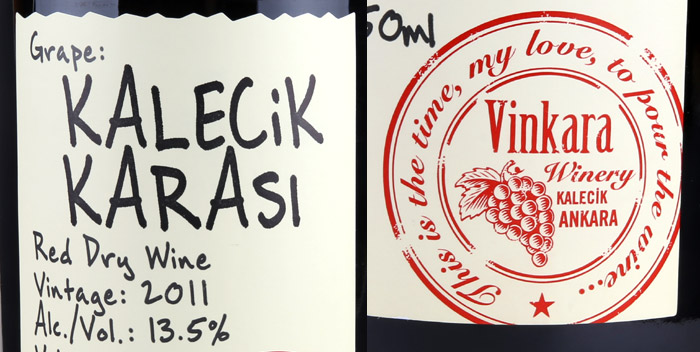
But I recently learned that the wines of Vinkara have made their way to the US market and they just happen to be the main producer that impressed me during my visit to Turkey. They now have distribution in New York, New Jersey and Connecticut — and hopefully they’ll get broader distribution soon.
This particular wine is made from a grape called kalecik karasi, pronounced kah-le-djic car-ah-ser. This wine is light red in color and visually doesn’t have a lot of density. It’s bright and lively on the nose, with fairly intense red raspberry, strawberry, floral and black pepper aromas. It’s a fairly light wine in the mouth. I’d classify this as a medium-bodied wine. While it’s not heavy or dense, it is still very flavorful offering red raspberry, strawberry and cherry flavors with good concentration and balance. There’s another flavor in the mix too that has a tropical fruit quality to it, but I can’t put my finger on what that flavor is. The acidity is perfect for this style of wine and the mouthfeel is good. The finish is tasty and medium-long.
This wine is super food friendly and approachable. Wines like this make me a fan of Turkish wine. Big time. And the price makes it an easy one to add to my shopping list.
Wine: Vinkara Kalecik Karasi
Variety: Kalecik Karasi
Vintage: 2011
Alcohol: 13.5%
Rating: 87
Price: $15.00
Disclosure: This wine was received as a media sample.
Are you familiar with a wine called “Marsala?” What comes to mind when you think of that wine? Is it Chicken Marsala? You’re not alone and that’s a major challenge for this Sicilian wine region. In fact, go do a Google search on Marsala. What results do you get? I’m going to guess that you find more links to recipes than to wine. And this is unfortunate because while these may be some good recipes, Marsala, as a wine for drinking, is misunderstood by many wine consumers who only know of disgusting, cheap Marsala sold specifically for cooking.
I visited the region last year with a group of wine bloggers. Our trip was organized and sponsored by Regione Siciliana – Istituto Regionale Vini e Oli in collaboration with Fermenti Digitali / Proposta. What I found is a region with a long history and some delicious, interesting wines. But I also found some wines that weren’t that great, a complicated/confusing categorization system for their wines and a wine region with a horrible branding problem.
History and Evolution of Marsala
To understand the challenges faced by wine producers in Marsala, it helps to understand some of the history of the region and how things have evolved since then.
The history of Marsala wine is often attributed to John Woodhouse, an English merchant who arrived in Marsala in 1773 and was impressed with wines in the region. He found similarities in this wine with other wines such as Port, Sherry and Madeira and ventured into exporting Marsala wine, but not until he made a distinct change to the wine, fortification. Fortification is a process of adding a neutral distilled alcohol to wine in order to raise the alcohol level. The higher alcohol level acts as a preservative, giving the wine stability to survive long shipping voyages.
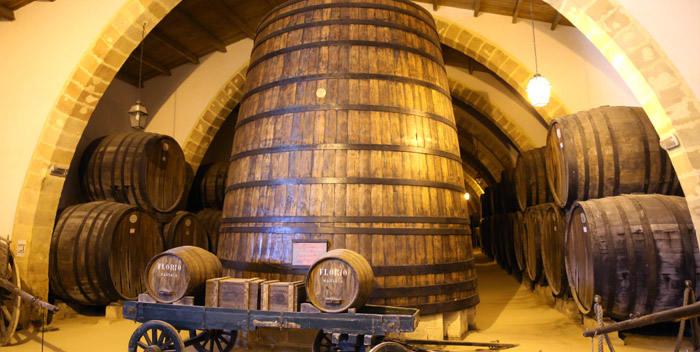
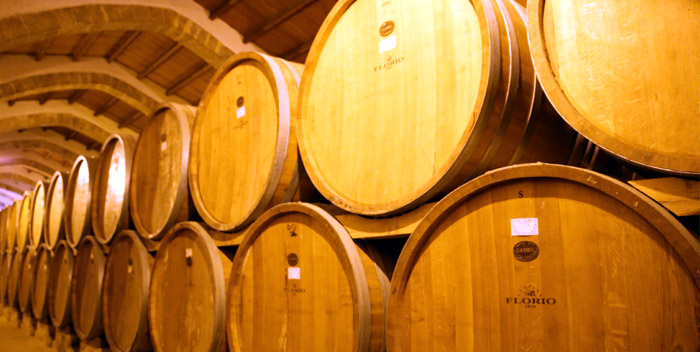
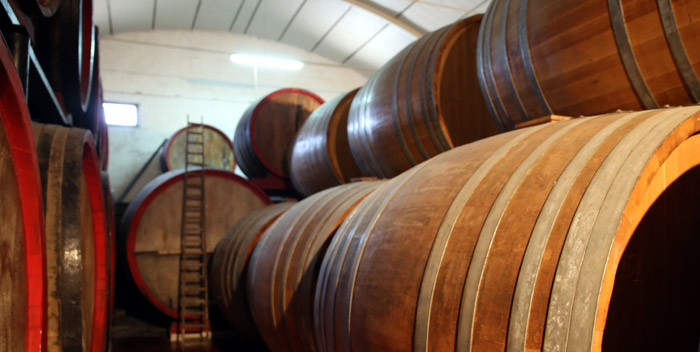
Prior to the fortification introduced by Woodhouse, Marsala was fermented to high alcohol levels naturally. Aging in large wooden casks and the use of a solera process called “in perpetuum” add a natural oxidative characteristic to the wine. The “in perpetuum” process is one where casks are never fully emptied. Wine is pulled from old casks and then those casks are topped off with wine from more recent vintages. The result is a wine that is blended across many vintages, perpetually — meaning that some wine from the oldest vintages always remain as a part of the blend. Through this process the wine established a preservative quality of its own without adding additional alcohol.
Fortification changed the process for making Marsala, although some producers continued to produce wines in the traditional approach without fortification. But in 1969 the Marsala DOC regulations established guidelines that Marsala must be fortified with grape spirits in order to be given the Marsala designation.
At one time, Marsala was a highly-esteemed wine, sought out by wine connoisseurs. But the quality and reputation of Marsala has had its ups and downs over the years due to a number of factors including economic challenges, war, competition from other wine regions and the care and quality of winemaking. The Florio family was the giant in Marsala for much of its glory days, but was not immune to the challenges faced by region and while the brand still exists (and is still sizable) it’s a shadow of what it was in its heyday.
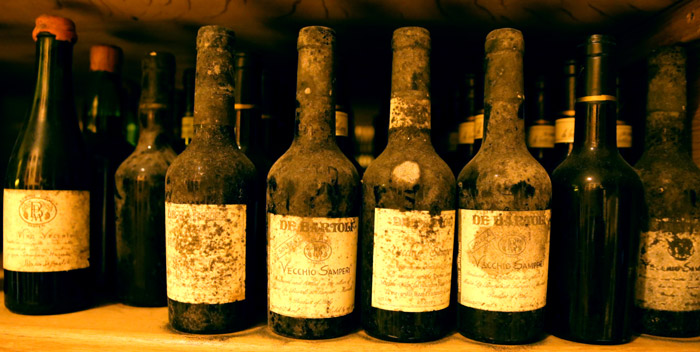
In Marsala today, I found that some producers still have an affinity for what they call “pre-English” style Marsala, which is made without fortification. But ironically it isn’t allowed to be called Marsala. It’s made in the traditional method, it’s just not called “Marsala.” Some of this is just produced for winemaker’s private collections, but some is available commercially. Most notably, Marco De Bartoli produces this wine and labels it as Vecchio Samperi. This is where the true roots of Marsala lie and in my opinion this is what consumers should be excited about today.
-
-
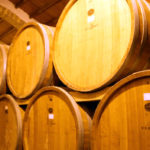
Old, gigantic Marsala casks still in use at Florio
-
-
Casks full of aging Marsala at Florio
-
-
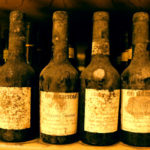
Well-aged bottles of Vecchio Samperi at Marco De Bartoli
Types of Marsala
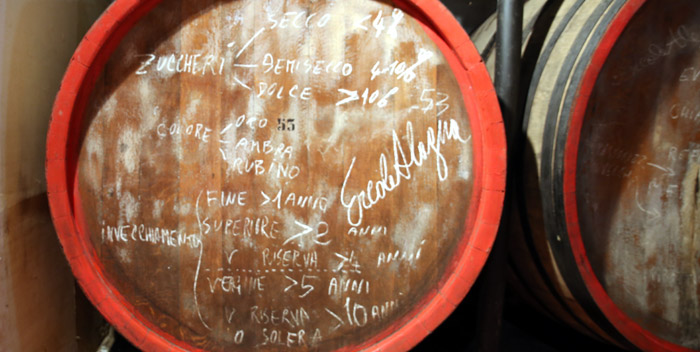
The 1969 DOC regulations, along with updates to those regulations in 1984, established the confusing matrix of Marsala categorizations that exists today. The categorizations revolve around three different aspects to the wine: color, sweetness and aging.
Colors
- Oro: Golden in color and made from Grillo, Inzolia and/or Catarratto (the best, they say, is made with 100% Grillo)
- Ambra: Amber in color and made from the same types of grapes as Oro plus the addition of mosto cotto (a sweet syrup created by cooking down the grape must)
- Rubio: Red in color and made from red grapes like Perricone, Calabrese, Nero d’Avola and/or Nerello Mascalese.
In my opinion, Oro is the most interesting and enjoyable of the three, although there’s more to finding a good Marsala than color alone.
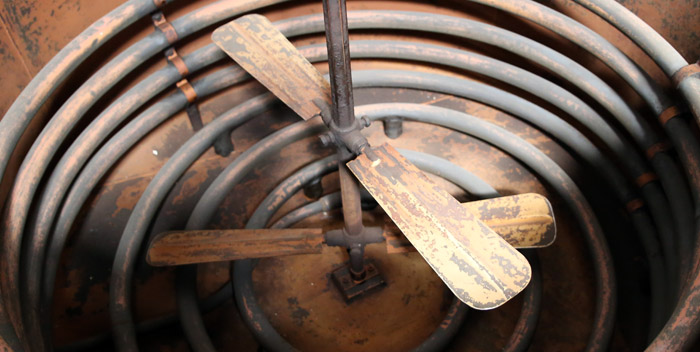
Ambra Marsala is made using mosto cotto, which is kind of like a balsamic glaze. Grape must is cooked down to a thick syrup and added into the wine. The cooked flavor of the mosto cotto simulates the characteristics of aging the wine in casks for several years, although some might argue it’s not a very good simulation. It also adds some sweetness to the wine, although each of the three colors comes in three different levels of sweetness.
Sweetness
- Secco: Dry, with a maximum of 40 grams of residual sugar per liter
- Semisecco: Semi-dry, with 41-100 grams of residual sugar per liter
- Sweet: Sweet, with over 100 grams of residual sugar per liter.
The final variable is aging. As I mentioned, the process to create Marsala (fortified or not) creates a natural preservative quality. This wine is made to age. And the longer it spends aging in casks, the better it tends to be.
Aging
- Fine: Minimal aging (less than a year)
- Superiore: Aged at least two years
- Superiore Riserva: Aged at least four years
- Vergine: Aged at least five years
- Vergine Stravecchio: Aged at least ten years.
Of the Marsala that I tasted (and I tasted quite a few) the Vergine and Vergine Stravecchio were the most impressive. I know that probably seems obvious, but the Marsala that most people know from cooking with it is of the Fine category. Therefore the misunderstanding folks have of Marsala is based on the lowest quality stuff and there’s a big difference between that and Vergine.
But that’s not to say that Superiore should be overlooked. I tasted a number of Marsalas in the Superiore category that were quite good. And they’re also a good value for the bargain hunter.
-
-
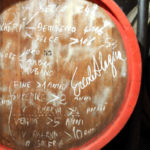
Marsala classification system chalked onto a cask by Ercole Alagna
-

-
The large cask and heated coils used to cook down the Mosto Cotto
Tasting Marsala
All that technical background doesn’t really tell you how the wine tastes, which is really why you should care about Marsala. There’s a range of flavors, so I can’t give you one description that covers all Marsala. And really, I don’t know that my words can do the wine justice to fully describe the flavors to you.
If you’ve had a Madeira or a Sherry there are some similarities. I hesitate to compare it to Port, as I consider Port to be rather unique, although there are some similarities to a tawny Port.
Marsala can be spicy, exotic, earthy, smoky and aromatic. Some aromas and flavors I’ve found in Marsala include caramel, coriander, nutmeg, cooked apple, orange peel and cooked peaches. Think of Marsala as an aperitif. The secco (dry) Vergine at times can taste more like a fine distilled liquor than wine. I’ve even used Marsala in some mixed drinks in place of other spirits and I think it has a place in mixology.
-
-
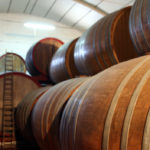
Casks full of Marsala, stored in a very warm space at Baglio Baiata Alagna. The heat helps is part of the process of aging the wine.
-
-
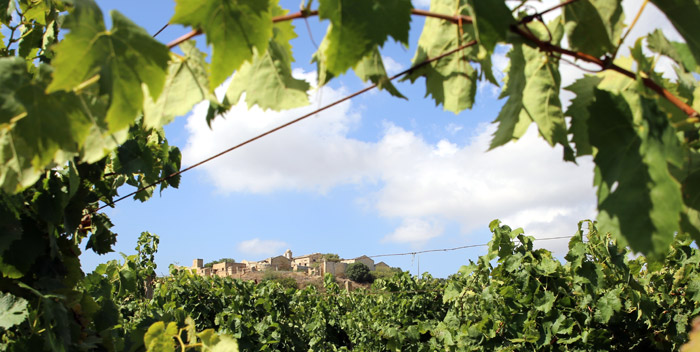
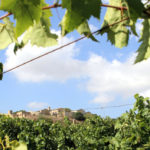
Grape vines in Marsala
Finding Marsala Wine
After returning from Marsala, I found myself wishing I had brought more than a couple bottles back with me. In part because I have a hard time finding any decent ones for sale in the US. They can be found with a little searching, but it’s not something every wine shop will carry.
One of the most frustrating experiences while shopping for Marsala in the US is seeing more “California Marsala” on shelves than real Marsala. If it comes from California, it’s not Marsala.
If you’re shopping for Marsala you will also find that while there are three aspects to Marsala classification, much is only labeled with the sweetness and aging designations. You can figure out the color just by looking at the wine.
Here are some of the producers I recommend seeking out:
- Marco De Bartoli: Try the Vecchio Samperi and some of their Marsala too. This is the brand you’re most likely to find in the US, but even this one isn’t easy to find.
- Martinez: I haven’t seen this anywhere in the US yet, but their Èxito Vergine Riserva is amazing. If you find it, snag it!
- Curatolo Arini: This family has been making Marsala for five generations. If you prefer something sweeter, you may like their Marsala Superiore Dolce.
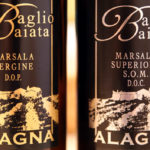
- Baglio Baiata Alagna: This is a large producer of Marsala and while I didn’t find their Marsala as elegant as some others, it was still quite good and priced for value. If you can find it, try their Marsala Vergine.
If you’re a fan of fortified wines or just an adventurous wine lover, I’d suggest seeking these wines out. Ask for them at your local wine shop. While they might not stock them, they may be able to get them for you. Or do some searching online. Either way, I’ll think that you’ll find that good Marsala is made for more than cooking (by a long shot) and is definitely worth adding to your personal wine list.
-
-
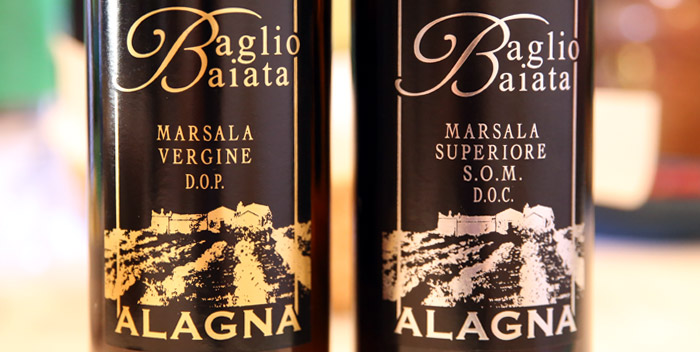
Two of the Marsala wines produced at Baglio Baiata Alagna
Disclosure: I visited Marsala as a part of a sponsored blogger tour of the Western Sicily, organized by Regione Siciliana – Istituto Regionale Vini e Oli in collaboration with Fermenti Digitali / Proposta. My travel and accommodations were provided by the sponsors.
Chardonnay is one of those wines for which you have seemingly endless options. It’s grown in pretty much every major wine region of the world and the store shelves are lined with brand after brand.
With so many options it should be no surprise that there’s also a wide range of quality and styles. And while a lot of wine lovers claim to dislike chardonnay, I would argue that most of them just dislike certain styles of chardonnay. The biggest complaint I hear from others (and I share this viewpoint) is too much oak. For a while, winemakers got into a habit of using lots of oak on their chardonnay — so much that it could end up tasting like a wet board.
I’m not opposed to oak. I am opposed to oak abuse. It has to be done with balance. And balance is what I found in this wine from Hardys.
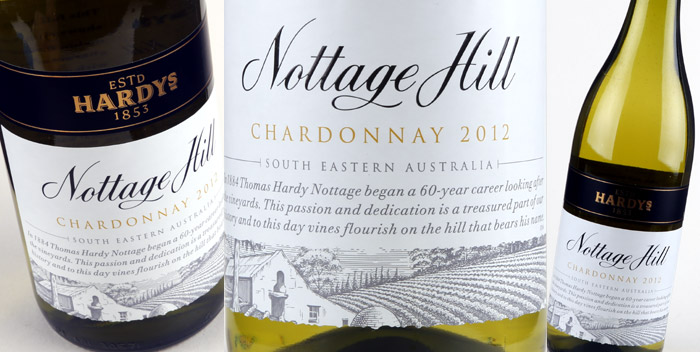
The aromas on this chardonnay are complex and interesting, with fragrances like pear, pumpkin seeds, lemon and wet stones. It’s tasty too, offering lemon, melon, pear and apple flavors with moderate intensity. The acidity is sufficient and the finish is fairly long. Unlike much chardonnay, this one isn’t all beaten up by oak. It’s tasty.
Wine: Hardys Nottage Hill
Variety: Chardonnay
Vintage: 2012
Alcohol: 13.5%
Rating: 86
Price: $13.00
Disclosure: This wine was received as a sample.
Find Hardys Nottage Hill Chardonnay with Snooth
When I saw the name of this wine, it immediately made me think of Australia. And it turns out that the name StickyBeak is an Australian wine term. But StickyBeak wine is not from Australia. Most wine under this brand comes from California, except for this one which is from the Tuscany region in Italy.
The producers of this wine do have a connection to Australia as importers of Australian wines. The StickyBeak name is a reference to them being “nosy neighbors” who can’t resist sticking their noses into different vineyards to see what others are doing. Which they eventually transformed into producing wines that allowed them to experiment with what they see around them. They refer to themselves as “inquisitive vintners.”
Their Tuscan wine is made of primarily sangiovese, one of my favorite varieties from the region. The exact blend is 85% sangiovese, 10% merlot and 5% syrah.
The aromatics from this wine make it clear that this is a sangiovese-based wine. Bright cherry and floral aromatics dominate the nose, which also reveals some raspberry and vanilla aromas. The palate is a bit thin on body. It has good flavors, like cherry, raspberry, coffee and spice, but there isn’t much depth to those flavors. The acidity is sufficient and soft tannins add some silkiness to the mouthfeel. And the finish is relatively long, with tart cherry flavors. If you like lighter wines, you may enjoy this one. But I found myself wishing it had a touch more depth. Still it’s tasty.
Wine: StickyBeak Toscana
Variety: 85% sangiovese, 10% merlot and 5% syrah
Vintage: 2011
Alcohol: 13%
Rating: 85
Price: $20.00
Disclosure: This wine was received as a sample.
Find StickyBeak Toscana with Snooth
When it comes to cheap wine, a lot of it comes from a handful of big companies. Although you probably don’t realize that because those companies own a lot of different brand names. Picket Fence is one of the brands in the portfolio of Bronco Wine Company, one of the biggest producers of cheap wine in the US.
And when it comes to cheap pinot noir, it can be hard to find something “great” but it is possible to find something “good.” And that’s what we have here.
The Picket Fence pinot noir comes from the Russian River Valley, a cool climate region in Sonoma County, California that is generally good for pinot noir.
This is a light, easy pinot noir. The nose is lightly-fragrant, offering soft plum, cherry and rose aromatics. The palate is also only moderate in concentration, bringing tart cherry, raspberry, plum and spice flavors. The acidity is sufficient and the mouthfeel nice. The finish is rather short. This isn’t a knock-your-socks-off wine, but it’s pleasant.
Wine: Picket Fence – Russian River Valley
Variety: Pinot Noir
Vintage: 2012
Alcohol: 13.8%
Rating: 84
Price: $17.99
Disclosure: This wine was received as a sample.
Find Picket Fence – Russian River Valley Pinot Noir with Snooth
 Prev1...789102030...82Next
  Page 8 of 82